Choosing the right industrial door for your building is essential. Our expertise ensures you select durable, secure, and efficient doors tailored to your needs.
Understanding Your Building and Daily Use
Always begin by looking at what your building is used for each day. A busy loading bay with lorries coming and going needs a different door from a quiet storage unit that opens only a few times a week. The more often a door is used, the more important strong parts, smooth movement, and reliable closing become.
Think carefully about how fast the door needs to open and close. If there are multiple vehicles waiting, slow opening can cause big queues, noise, and wasted fuel. A faster door can also help keep indoor areas cleaner by reducing the time the opening is exposed to dust, wind, and insects.
Consider who has access to use the door and how they will use it. If forklift drivers open it whilst carrying heavy pallets, they need plenty of clear sight lines, safe stopping points, and controls that do not distract them. If staff also walk through the same opening, you may need a separate pedestrian door, a marked walkway, or barriers to keep walkers away from moving vehicles.
Then, it’s best to think about what moves through the doorway and what must be kept apart. Large vehicles need wide, tall openings because more delicate goods may need a door that opens quite gently and does not shake the frame. If fumes, strong odours, or fine dust are a major issue, better sealing and controlled openings are suitable as they can help keep all the areas separate and improve staff comfort.
You’ll also need to go over any existing site rules and building needs that may impact your choice. This is because some places need some form of fire-rated doors, doors that help control the noise levels, or doors that can be opened during a power cut. Planning for these needs early helps you choose a door that fits the work, the building, and your daily routine.
Size, Clearance, and Available Space
Measure the opening carefully, including height, width, and how level the floor is. Even small errors can cause rubbing, gaps, or poor sealing, which can lead to early wear. It is also important to check the wall condition around the opening, since weak surfaces may need extra support before a door can be fitted safely.
Look above the opening for headroom. Some doors need space for tracks, rollers, springs, or a barrel, and that space can be taken up by beams, lights, or cable trays. If ceiling space is limited, you may need a design that uses a side room or a door that folds or rolls more tightly to fit the area.
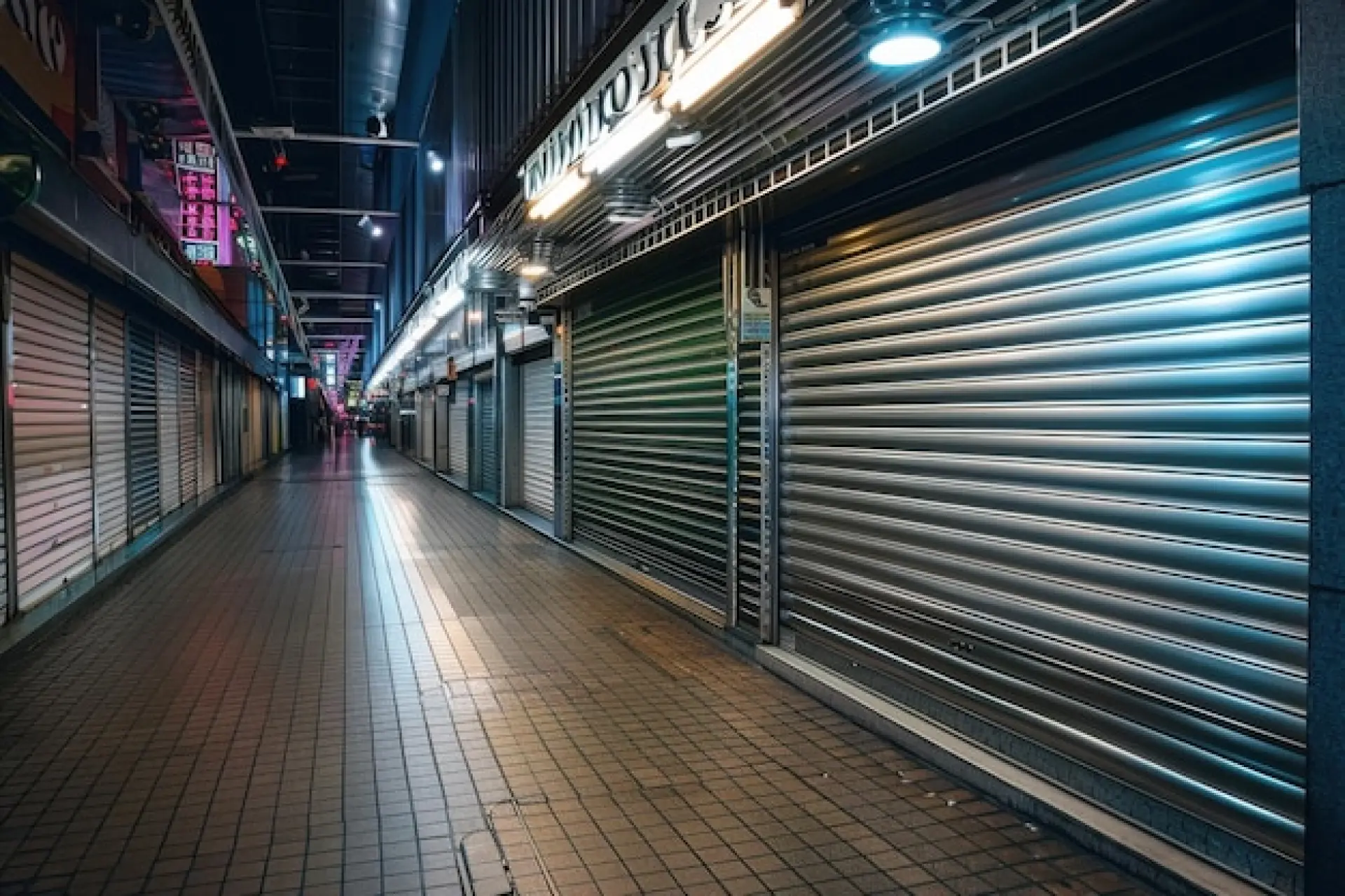
Check the side room as well. Guides, frames, and safety parts may need clear space on each side of the opening. If there is racking or stored items too close, the door may not sit squarely, and this can cause strain during opening and closing.
Think about the space in front of the door. If vehicles line up close to the opening, a door that swings out can cause problems and create a collision risk. A door that lifts, rolls, or slides can be better when space is tight and traffic is heavy, especially where turning space is limited.
Do not forget the space inside the building. Pipes, heaters, and ventilation units can get in the way of tracks and frames. It also helps to consider how the opened door will affect lighting and sprinklers, since a poorly placed door can block light or interfere with safety systems.
Weather Protection and Insulation
The weather can damage your stock, make work quite uncomfortable, and raise the heating costs. If wind and rain often hit the doorway, a door with strong seals around the edges can help block drafts and water. A well-planned threshold and good drainage can reduce puddles, slips, and water tracking into the building.
Insulation is important, especially if the inside temperature needs to stay steady. Chilled storage, food-handling areas, and workshops usually benefit from insulated door panels that slow heat loss. Even in more standard warehouses, better insulation can help make sure your staff are comfortable and limit the strain on heaters during cold weather.
Consider air leakage and how the door closes. A door that shuts fully and evenly is much more effective than one that leaves small gaps at the sides or base. Good seals, correct fitting, and a smooth closing action help keep dust, insects, and pollution out, which is useful near busy roads or open land.
Think about how the door handles strong wind. Large openings can act like a sail, and wind can push against the door while it moves. If your site is exposed, a door rated for wind pressure, with reinforced guides or strengthening bars, can reduce damage and prevent the door from jumping out of position.
Material choice also affects weather protection and how long the door lasts. In coastal or damp areas, corrosion can shorten a door’s life, especially around fixings and frames. Finishes that resist rust, plus regular cleaning and simple checks for wear, can keep the door working smoothly and looking professional for longer.
Security Needs and Access Control
Security starts with knowing exactly what you are protecting and where the door sits on the site. If you store any high-value goods, tools, or fuel, you may need a much stronger door with more solid panels, reinforced frames, and tougher fixings. If the door faces a or leads onto a public road or footpath, it may be at a higher risk and need extra protection.
Think about how people or staff will enter and leave, and how you will manage all their keys or permissions. Some sites will need much quicker forms of access for many workers, whereas others need strict limits on who can open the door. Options can include key fobs, codes, card readers, or controlled switches placed away from the door so they are not easy to reach from outside.
Consider locking and how the door resists forced entry. A good lock should engage properly every time the door closes, not only when staff remember to lock it. Some doors can link to alarms, so you are alerted if the door is forced or left open for too long.
Visibility and monitoring also matter greatly on your site. Strong lighting near the entrances can deter any unwanted visitors and help your staff see clearly during early starts and late shifts. Cameras, door contacts, and motion sensors can add an extra layer, but they work best with a door that closes fully and seals well, so there are no easy gaps.
Be sure to plan for any deliveries and visitors on your site well-in-advance. The reason for this is that a clear process for your drivers, such as signing in and being let in by staff, reduces risk without slowing work. Timed access or separating delivery entrances can help you keep the valuable areas protected while still making sure operations run smoothly.
Safety Features and Reducing Risk
Safety should be built into the door, not added as an afterthought. If the door is powered, it should have sensors that stop movement if something is in the way. A safety edge can also help by detecting contact and reversing the door to prevent injury to a person, a vehicle, or the load being carried.
Emergency controls matter, especially in busy areas. An emergency stop button should be easy to reach and clearly marked, and staff should know what it does. If the power fails, people should still be able to open the door safely using a manual release that is simple to use and does not require specialist tools.
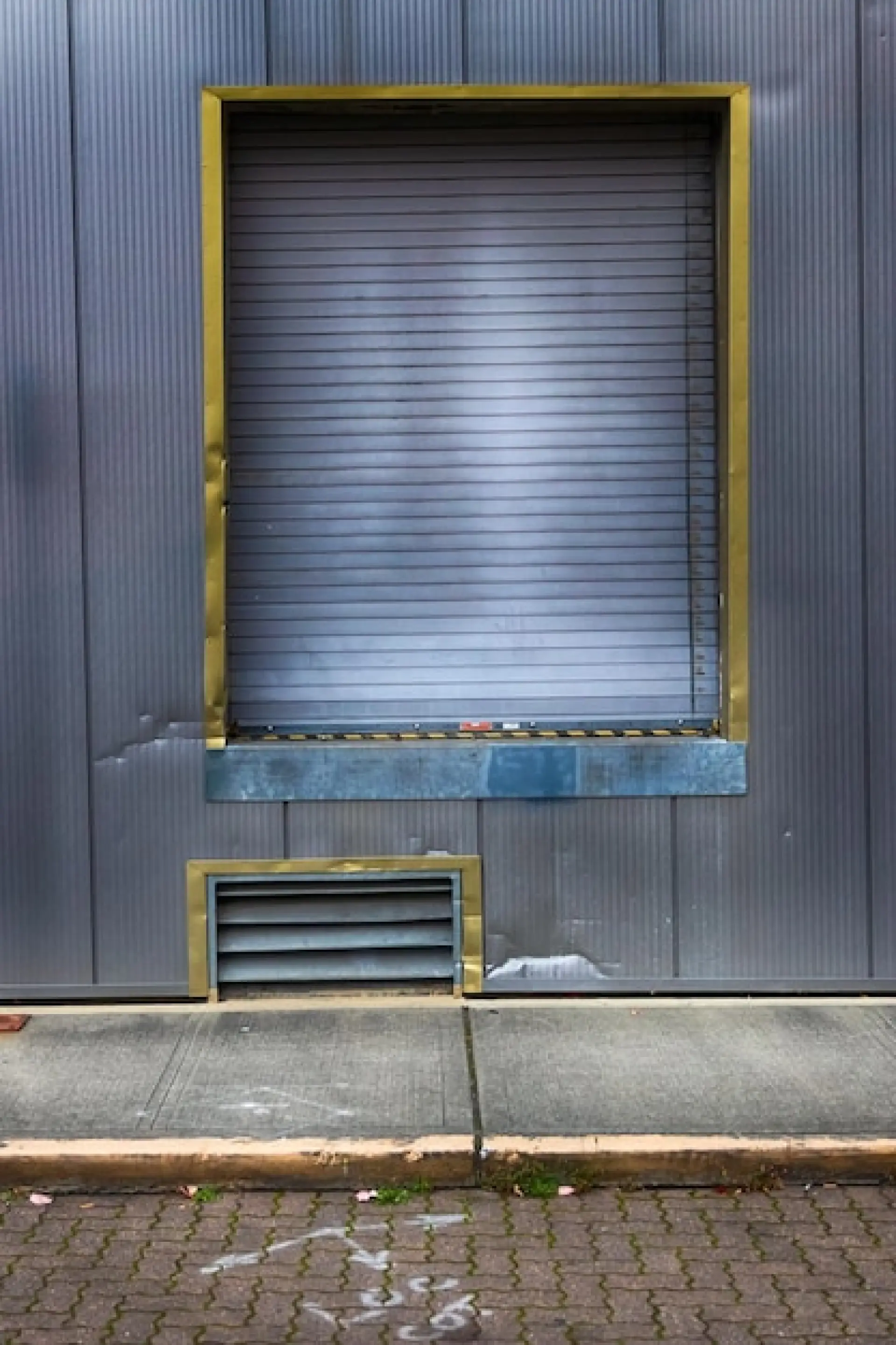
There is a likely chance that people will be near your doorway or walking by it, and you must take these passers-by into consideration when choosing a new door. Warning lights and sounders can signal when the door is moving, which is helpful in noisy warehouses. It’s best to be aware that any clear signs, mirrors near corners, and painted floor markings can guide walkers away from vehicle paths and limit any sudden surprises.
Consider how the door behaves if something goes wrong. A door should not drop suddenly, slam shut, or move in an unexpected way. Features that control speed and improve stability can help prevent injuries and damage, especially with larger doors.
Ongoing care is part of safety, too. A door that is not checked can develop faults that cause accidents or breakdowns. A planned inspection routine, quick repairs, and basic staff training on safe use can reduce risk, keep the entrance working well, and prevent small issues from becoming major failures.
SteelFlex Door Company Ltd supplies and installs industrial roller shutters in Shrewsbury, Bridgenorth and Telford. We design tight sealing around guides, head and floor, configure controls to reduce open time, and separate temperature zones. Our team also maintains doors so they keep warm air in, cold air out and energy costs lower.