This article explores cutting heat loss with high-speed roller shutters and explains how the right doors can improve comfort, lower energy costs and support more efficient day-to-day operations. Insulated roller shutters reduce the amount of warm air that can escape through open doorways, making them a practical choice for warehouses, factories, loading bays, commercial premises and some residential settings.
Heat loss through frequently used doors is often overlooked. Each time large shutter doors open, warm air can escape, and cold air can enter the building. The heating system must then work harder to restore the required indoor temperature. Over time, this increases energy consumption, energy bills and operational costs.
High-speed roller shutters can make a real difference because they spend less time open. When they are combined with insulation, tight seals and suitable control systems, they can help reduce heat loss, improve energy efficiency and support better temperature control throughout the year.
How fast opening and closing cuts heat loss
Fast opening and closing is one of the simplest ways to reduce heat loss at a busy doorway. Every second that roller shutters remain open gives warm air more time to escape and cold air more time to enter. High-speed roller shutters reduce this open period, so the building is exposed to outside conditions for less time.
This is especially important in busy industrial environments where doors may complete hundreds of opening and closing cycles each day. Warehouses, factories and loading bays often have heavy traffic from forklifts, delivery vehicles and staff. Standard shutters may move too slowly for these areas, which means the opening remains exposed for longer than necessary.
High speed shutters close quickly after traffic has passed. This limits the movement of air through the opening and reduces the demand placed on the heating system. Less heating is then needed to compensate for lost warmth, helping businesses lower energy costs and save money.
Shorter opening times also help maintain indoor temperatures. Staff working near shutter doors are less likely to experience cold drafts, while stored goods are less likely to be affected by sudden changes in temperature. These benefits can improve indoor comfort, protect products and create a more stable working environment.
The high-speed cycle also supports heating and cooling efficiency during the summer months. When air conditioning is being used, fast doors help reduce heat gain by limiting the amount of hot outside air entering the building. This can lower cooling costs as well as heating costs.
Seals, guides and tight fit at the edges
High-speed roller shutters do more than open and close quickly. Their seals, guides, curtain and bottom rail also have an important role in reducing heat transfer.
Well-designed side guides hold the shutters firmly in place. This prevents the curtain from moving in the wind and creating small gaps around the edges. Brush seals, rubber seals and other flexible elements can close these gaps and stop cold air from entering.
A good bottom seal helps form a tight seal against the floor. This is essential because cold air often enters at ground level, especially when the surface is uneven. Without an effective bottom seal, drafts can seep beneath the shutter and lower the indoor temperature around staff, stock and machinery.
The top of the opening also needs attention. Warm air rises, so gaps near the head of the roller shutters may allow heated air to escape. A covered barrel, sealed head section or insulated box can reduce this problem and improve thermal performance.
Small gaps may not appear serious, but their combined impact can be high. Air leaks around the sides, floor and head allow warm air to escape continuously, even when the doors are closed. These leaks increase energy use and force heating systems to remain active for longer.
Regular checks are therefore important. Worn seals, damaged guides and uneven floors can reduce efficiency. Planned maintenance helps businesses maintain a tight seal, reduce drafts and protect the performance of their shutters.
Why Insulated Roller Shutters Improve Thermal Performance
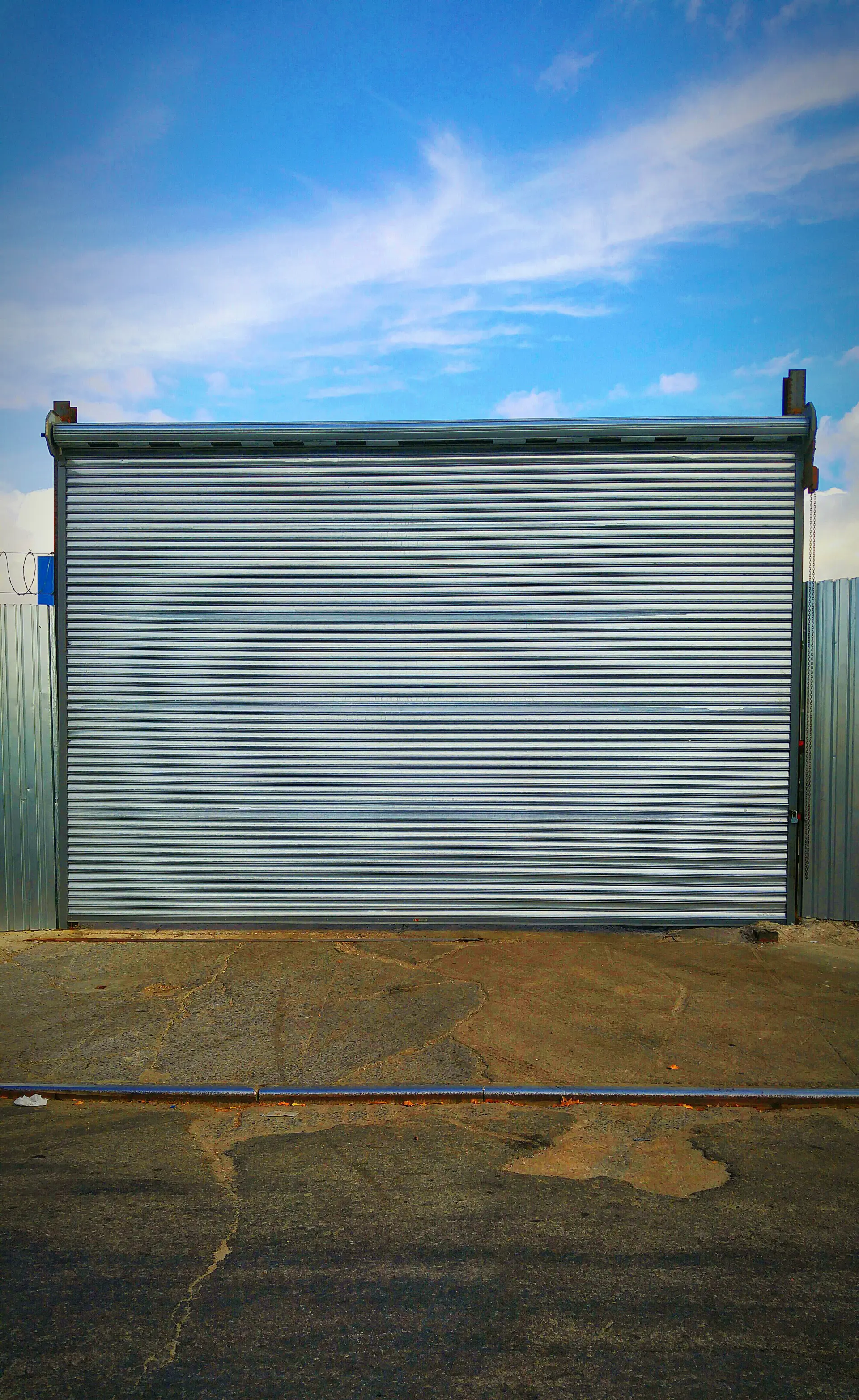
Insulated roller shutters provide more protection than basic single-skin shutters. Their thicker curtain is designed with an insulating core, creating an additional insulating layer between the indoor and outdoor environments.
This insulation slows heat transfer through the shutter itself. During winter, insulated roller shutters help keep warm air inside and cold conditions outside. During summer, they help reduce heat entering the property and support the performance of air conditioning systems.
Insulated roller shutters create a stronger thermal barrier across large openings. This is particularly useful where doors form a large part of the external walls. A poorly insulated doorway can reduce the thermal efficiency of the whole building, even if the walls, windows and roof are well insulated.
The benefits become more noticeable during the colder months. When outdoor temperatures fall, metal surfaces can quickly transfer cold into the building. Insulated roller shutters reduce this transfer and can also help control condensation around the opening.
Condensation may form when warm indoor air touches a cold shutter surface. This can create damp conditions, affect goods and increase the risk of slippery floors. Better insulation helps keep the inner surface warmer, reducing the chance of condensation forming.
Insulated roller shutters can also improve noise reduction. This may be useful for businesses operating near residential areas or for factories where machinery creates a high level of indoor noise.
Limiting air exchange between zones
Many buildings contain areas that need different temperatures. A chilled loading bay may be next to a heated packing space, or a production area may sit beside an air-conditioned office. When doors remain open between these zones, air moves freely from one area to another.
This movement wastes energy and makes temperature control harder. Warm air may enter a cold area, while cold air may seep into a heated space. The heating and cooling systems must then work harder to correct the change.
High-speed doors limit this exchange by opening only when required and closing again quickly. This keeps each indoor zone closer to its set temperature and reduces the energy needed to maintain it.
In some applications, insulated roller shutters can be combined with thermal curtains. The shutters provide security, strength and weather protection, while the curtains form an extra barrier against air movement. This combined approach may be suitable for cold stores, food production areas and temperature-sensitive warehouses.
Controls can also be set so the doors open only to the height needed for the approaching vehicle. A smaller opening allows less air to escape and reduces the amount of outside air entering. This is an effective way of reducing energy consumption without slowing traffic.
Keeping Warm Air in and Cold Air Out
Keeping heat inside depends on both speed and sealing. High-speed roller shutters reduce the length of time an opening is exposed, while insulated roller shutters reduce heat passing through the closed curtain.
When roller shutters close quickly, they reduce the volume of warm air that can leave the building. They also stop cold air from entering for long periods. This supports a more stable indoor temperature and reduces the amount of heating needed.
Wind pressure can make heat loss worse. On exposed sites, wind may force cold air through small gaps or push warm air out through another opening. A durable shutter with strong guides and a tight seal can reduce these impacts.
The stack effect can also allow warm air to escape. As warm air rises inside a tall building, it may leave through gaps at a higher level and draw cold air inside through lower doors. Well-sealed roller shutters help reduce this cycle by closing low-level air leaks.
Modern control systems can be linked to motion sensors, vehicle sensors, remote controls or access systems. This means doors open only when a person or vehicle is approaching. They can then close automatically after a set time.
Automatic closing prevents shutter doors from being left open during breaks, shift changes or loading delays. This simple change can lead to clear energy savings, particularly in busy industrial buildings.
Some systems allow two doors to be interlocked. In this arrangement, one door must close before the next one opens. This creates a controlled space between indoor and outdoor areas and further reduces air exchange.
Reducing Heating and Cooling Costs Throughout the Year
The main focus during winter is reducing heat loss, but roller shutters can support energy efficiency in every season. In summer, the same shutters can help reduce heat entering the building.
Direct sunlight can increase solar gain through windows and glazed doors. External roller shutters can block part of this heat before it reaches the glass. This reduces indoor heat gain and can lower cooling costs.
Where vision windows are needed in shutter doors, energy-efficient glazing should be considered. Double glazing can provide better insulation than a basic single panel, while still allowing staff to see approaching traffic.
The phrase winter and heat gain may seem to cover two separate issues, but both are linked to how a building controls heat. During winter, businesses need to reduce heat escaping. During summer, they need to reduce heat entering. Insulated roller shutters can support both aims.
Lower heating and cooling demand means the building uses less energy. This can reduce energy bills, lower energy costs and support wider energy conservation goals.
For many owners, the financial benefits extend beyond monthly bills. More stable indoor temperatures may reduce wear on heating and air conditioning equipment because the systems do not need to run as often. This can support longer equipment life and lower maintenance costs.
The Role of Insulation Thickness and Curtain Design
Not all insulated shutters provide the same level of performance. The materials, thickness and construction of the curtain affect how well it limits heat transfer.
A thicker insulated curtain will often provide better thermal performance than a thin metal shutter. However, the final result also depends on the seals, guides, controls and quality of installation.
Some insulated roller shutters use foam-filled slats, while others use layered fabric or flexible insulated panels. The right option depends on the size of the opening, required speed, traffic levels and indoor conditions.
A high-speed flexible curtain may be suitable for internal areas where fast access is the main need. A stronger insulated roller shutter may be better for external doors where security, wind resistance and weather protection are also important.
Businesses should match the shutter to the application rather than selecting a product based only on opening speed. A door that is fast but poorly sealed may still allow high levels of heat loss. In the same way, a well-insulated door may not improve efficiency if it is left open for too long.
The most effective option is often a combined system that provides high-speed movement, insulation, reliable seals and suitable controls.
Heat loss in people doors vs vehicle doors
Not all openings lose heat at the same rate. Large vehicle doors can allow a high volume of air to escape, but smaller people doors may also waste energy if they are used often or left open.
A high-speed shutter on a vehicle opening can reduce major heat loss during loading and unloading. A separate pedestrian door can reduce the need to open the main shutter for staff making short trips.
Where traffic is mixed, providing both types of doors can improve efficiency. Staff can use the smaller opening, while forklifts and lorries use the high-speed shutter. This reduces the total open area across the day.
Pedestrian doors should have working closers and effective seals. Even a small door can create a continuous draft if it does not close correctly. These drafts make the workplace uncomfortable and increase heating demand.
Emergency escape doors must also remain safe and suitable for their purpose. Energy efficiency must never prevent safe escape. Any shutter system installed near an escape route should meet relevant safety and compliance needs.
Security and Energy Performance
Roller shutters offer more than insulation. They also improve security by creating a strong barrier across doors and windows.
A secure shutter can help protect a property from forced entry and deter potential intruders. This is useful for warehouses, shops, factories, garages and residential buildings.
Insulated roller shutters can combine security with energy-efficient performance. This allows owners to protect goods, equipment and staff while also reducing energy costs.
The shutter curtain, guides and locking systems should be designed to suit the level of risk. External shutters may need greater strength than internal speed doors, particularly in exposed or isolated settings.
Security and thermal performance should be considered together. Small gaps that cause air leaks may also weaken the barrier around the opening. A well-fitted shutter with strong guides can improve both insulation and security.
Controls, Sensors and Automatic Operation
Modern roller shutter systems can include a range of controls. Sensors may detect vehicles, forklifts or people, while timers control how long the doors remain open.
These features help reduce unnecessary opening time. They also allow shutters to respond quickly without staff needing to stop and operate a switch.
Traffic lights can guide drivers through loading bays and reduce the risk of a vehicle striking the doors. Safety sensors can stop or reverse the shutter if an object is in the opening.
Automatic controls can also improve productivity. Staff spend less time waiting for doors to open, and the flow of goods can continue with fewer delays.
The controls must be adjusted carefully. A closing delay that is too long will allow more heat loss, while a delay that is too short may interrupt traffic or create safety concerns. The settings should match the type of traffic, the opening size and the speed of work.
Regular testing helps maintain reliable operation. Sensors should be kept clean, and controls should be checked for signs of wear or damage.

Installation Quality and Building Condition
Even well-designed roller shutters may perform poorly if the installation is not completed correctly. The opening must be measured accurately, and the guides must be fitted in line.
Walls, floors and surrounding structures should be checked before installation. Uneven surfaces can create gaps that allow air to escape. Damaged walls may also prevent the shutter frame from forming a tight seal.
The installer should make sure the bottom seal touches the floor evenly. Side seals should remain in contact with the curtain, and the head section should be covered where possible.
It is also important to consider nearby windows, vents and other doors. Heat may still escape through these areas even after new roller shutters are installed. Improving one opening can help, but the building should be viewed as a complete system.
In some cases, insulation around the frame may need to be improved. Gaps between the shutter frame and the wall can allow drafts to enter, even when the curtain itself is insulated.
A professional installation can improve performance, durability and safety. It can also reduce future maintenance problems and help the shutters operate smoothly.
Planned Maintenance Protects Energy Efficiency
Roller shutters complete many cycles during normal use. Over time, seals may wear, guides may move, and controls may need adjustment.
Planned maintenance helps maintain high-speed operation and prevents small problems from becoming larger faults. It also supports energy savings by keeping the curtain and seals in good condition.
Damaged bottom seals should be replaced because they allow cold air to enter at floor level. Worn side seals can create drafts and reduce thermal efficiency. Loose components may also affect safety and security.
Dust and dirt can collect in guides or around sensors. Cleaning these areas helps the shutter move freely and reduces strain on the motor.
Maintenance visits should also check the opening and closing speed. A shutter that has become slower may remain open for longer and increase heat loss.
Companies should record repairs and servicing so they can find repeated issues. This information can help owners decide whether adjustment, replacement or a system upgrade is needed.
Measuring Energy Savings
The level of energy savings achieved will depend on the size of the opening, outdoor temperature, indoor temperature, traffic levels and existing shutter performance.
A site with large external doors, frequent traffic and long heating hours may see greater savings than a small building with limited use. However, even modest improvements can reduce energy consumption over a full year.
Businesses can compare heating energy use before and after new shutters are installed. They can also measure indoor temperatures near the opening and monitor how often the heating system operates.
Thermal cameras may help find air leaks and cold areas around shutter doors. Smoke tests and air movement checks can also show where drafts are entering.
Energy bills should be reviewed alongside weather conditions and production levels. A colder winter or longer operating hours may increase heating demand, so these factors need to be considered when comparing results.
The best results are often achieved by combining several measures. Insulated roller shutters, improved wall insulation, sealed windows, efficient heating systems and staff awareness can work together to improve efficiency.
Supporting Staff Comfort and Productivity
Cold drafts can make it hard for staff to remain comfortable, especially when they work close to external doors. Repeated exposure to cold air may also affect concentration and productivity.
High-speed roller shutters help reduce sudden temperature changes around busy openings. This creates a more stable working environment and helps staff remain comfortable during the colder months.
Better indoor comfort can also reduce the need for local electric heaters. These heaters may use a large amount of energy and can create uneven temperatures.
In summer, reducing hot air entering through open doors can help air conditioning maintain a suitable temperature. This supports comfort in packing areas, workshops and production spaces.
Stable temperatures may also protect goods that are sensitive to heat, cold or moisture. Food, chemicals, packaging and electronic products may all benefit from better temperature control.
Environmental Benefits
Reducing energy use can lower the carbon footprint of a building. When less heating and cooling is needed, fewer resources are used to maintain indoor conditions.
For businesses working towards environmental targets, insulated roller shutters can form part of a wider energy conservation plan. They are a practical building improvement that can provide daily benefits without changing the main work process.
Lowering energy consumption also helps reduce dependence on heating equipment. This can support more efficient operations and may help businesses meet customer or industry expectations.
The environmental benefit will depend on the type of energy used in the building. However, reducing unnecessary heating and cooling is useful in almost every case.
Choosing the Right Roller Shutters
The right shutters will depend on the building, opening and type of work. Owners should consider speed, insulation, security, safety and durability before investing.
For loading bays and busy industrial openings, high-speed roller shutters may be the perfect solution because they reduce open time and support fast traffic flow.
For external openings, insulated roller shutters may provide better protection against wind, rain, cold and other weather elements. They can also improve security outside working hours.
Residential owners and homeowners may use insulated roller shutters on garages, doors or windows to improve comfort, protect the home and reduce heat loss.
The number of cycles completed each day should also be considered. A door designed for light use may wear quickly in a busy factory. High-cycle systems are designed for frequent work and may provide better long-term performance.
Businesses should explore the full range of available options and speak with experienced experts before selecting a system. The shutter should match the size of the opening, traffic type, required speed and indoor conditions.
A Practical Long-Term Investment
Investing in insulated roller shutters can provide both immediate and long-term benefits. The immediate effect may be fewer drafts, better comfort and faster movement through busy doors.
Over time, lower energy costs, reduced heating demand and improved equipment performance can provide further savings. A durable system may also reduce repair costs and protect the property for many years.
The economic case will vary depending on the site. However, businesses with large openings, heavy traffic and high heating costs may find that insulated roller shutters provide a strong return on investment.
The greatest benefit is achieved when the shutters are correctly selected, professionally installed and properly maintained. Controls should be adjusted to suit the application, and seals should be checked throughout the year.
High-Speed Roller Shutters to Reduce Heat Loss
High-speed roller shutters help reduce heat loss by limiting the time that large openings remain exposed. When combined with insulation, effective seals and automatic controls, they can improve energy efficiency and reduce heating and cooling demand.
Insulated roller shutters provide an additional insulating layer across doors and windows, helping keep warm air inside during winter and reducing heat entering during summer. They can also improve security, comfort, noise reduction and protection from the weather.
For warehouses, factories, loading bays, commercial buildings and residential properties, the right roller shutters can lower energy bills, support temperature control and create a more efficient indoor environment.
By reducing air leaks, stopping drafts and helping heating systems work less often, high-speed shutters can reduce energy costs and support long-term energy savings. With the right design, installation and maintenance, these doors can make a real difference to comfort, performance and the carbon footprint of a building.
SteelFlex Door Company Ltd supplies and installs high speed roller shutters that cut heat loss on busy doorways. We design tight sealing around guides, head and floor, configure controls to reduce open time, and separate temperature zones. Our team also maintains doors so they keep warm air in, cold air out and energy costs lower.