Why Building Access Control Matters
Building access control helps organisations decide who can enter particular areas and when they are allowed to do so. Commercial and industrial properties may contain stock, machinery, confidential information and equipment that should not be accessible to everyone. Schools, apartment blocks and public buildings can have similar requirements.
Controlling entrances can reduce unauthorised access while helping staff manage visitors and contractors. Different areas may require different levels of protection. A reception entrance may remain accessible during opening hours, while plant rooms and storage areas stay restricted.
Access control can also provide more convenient management than issuing large numbers of conventional keys. Whatever system is used, emergency escape must still be considered. Security arrangements should never prevent occupants from leaving through designated emergency exits when required. A well-planned access system therefore balances security with practical everyday movement and safe building operation.
How Steel Pedestrian Doors Improve Entry Security
Steel pedestrian doors can improve entry security by providing a strong physical barrier at entrances that might otherwise be vulnerable to forced access. Their steel leaf and frame can be combined with suitable locks, hinges and access control equipment to create a complete secure doorset. Security begins with selecting the correct door for the location. External entrances may require a stronger specification than low-risk internal doors. The frame is important because a strong door leaf cannot provide effective security if the surrounding structure or fixings are weak. Locks should also match the expected risk.
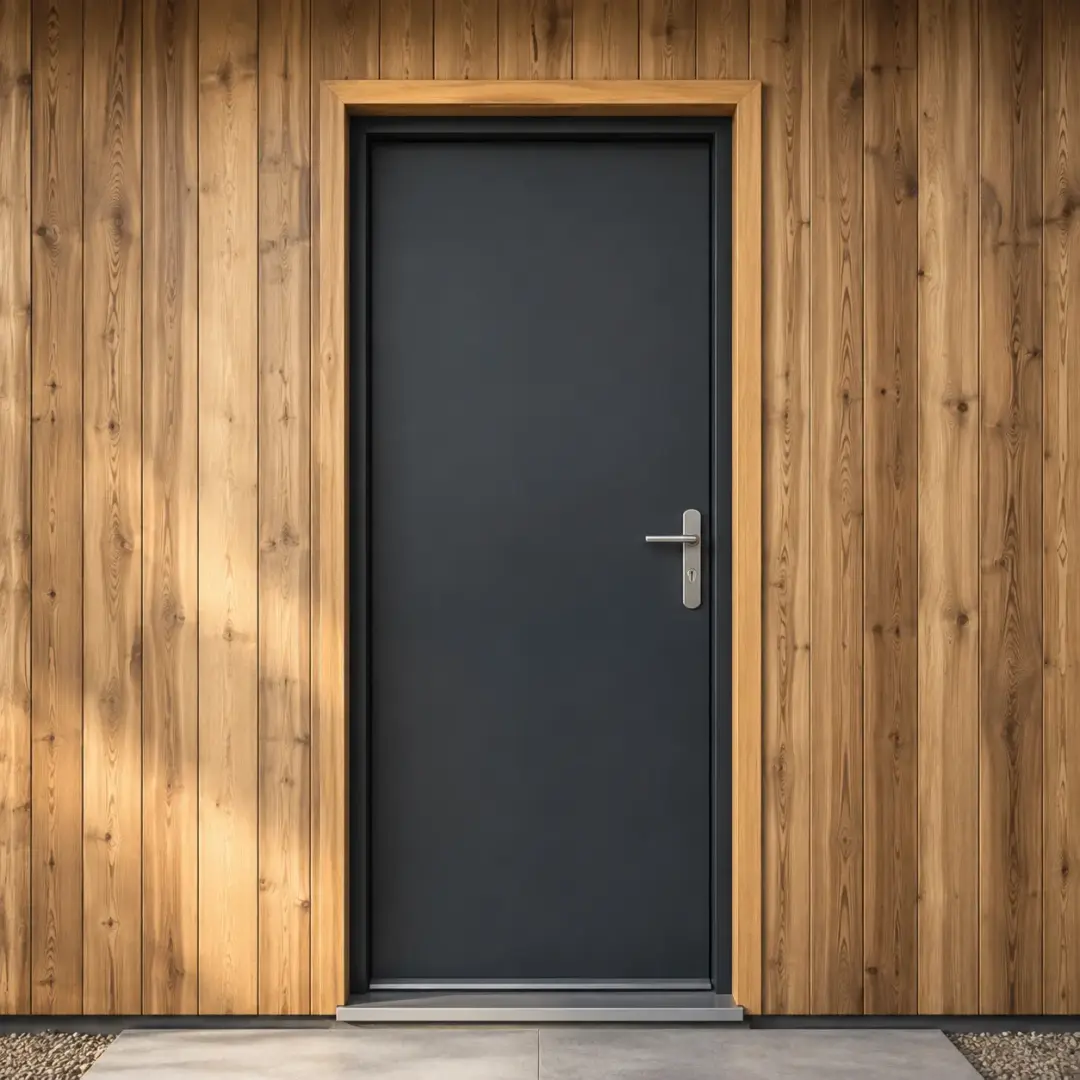
Some buildings may need a conventional key-operated lock, while others benefit from card readers or electronic access control. Steel doors can also be designed to protect hinges and other vulnerable hardware.
Self-closing devices can help ensure the entrance returns to the closed position after use. This prevents a secure door being left open accidentally.
Access control systems can further restrict entry to authorised users while creating a convenient route for staff. The best security comes from considering the door, frame, locking equipment and building procedures together. A properly specified steel pedestrian door can therefore support controlled access without making normal entry unnecessarily difficult for authorised users.
Controlling Access to Restricted Areas
Restricted areas often contain equipment, stock or information that should only be available to selected people. Steel pedestrian doors can provide a strong controlled entrance to these locations. Suitable locks or electronic access systems can determine who is allowed through. Plant rooms, server areas, workshops and storage spaces are common examples.
Clear signage can help identify that access is restricted. The level of security should match the risks associated with the room. Some areas may only need a standard key lock, while others may require card access or monitored entry. The door should remain practical for authorised staff who use it regularly. Emergency escape requirements must also be considered where the entrance forms part of an evacuation route.
Access restrictions should therefore be planned alongside the wider building safety arrangements. A professional steel door supplier can help select a doorset that provides controlled access without creating unnecessary problems for everyday operation.
Steel Pedestrian Doors for Staff-Only Areas
Staff-only areas are commonly protected by steel pedestrian doors where businesses need to separate employees from customers, visitors or members of the public. These doors can be installed around offices, stockrooms, service corridors, kitchens, warehouses and operational spaces. The level of access control can vary according to the building. A simple mechanical lock may be sufficient for a small staff room, while larger premises may use keypad or card-controlled entry. Electronic systems can make it easier to manage access when employees join or leave the organisation.
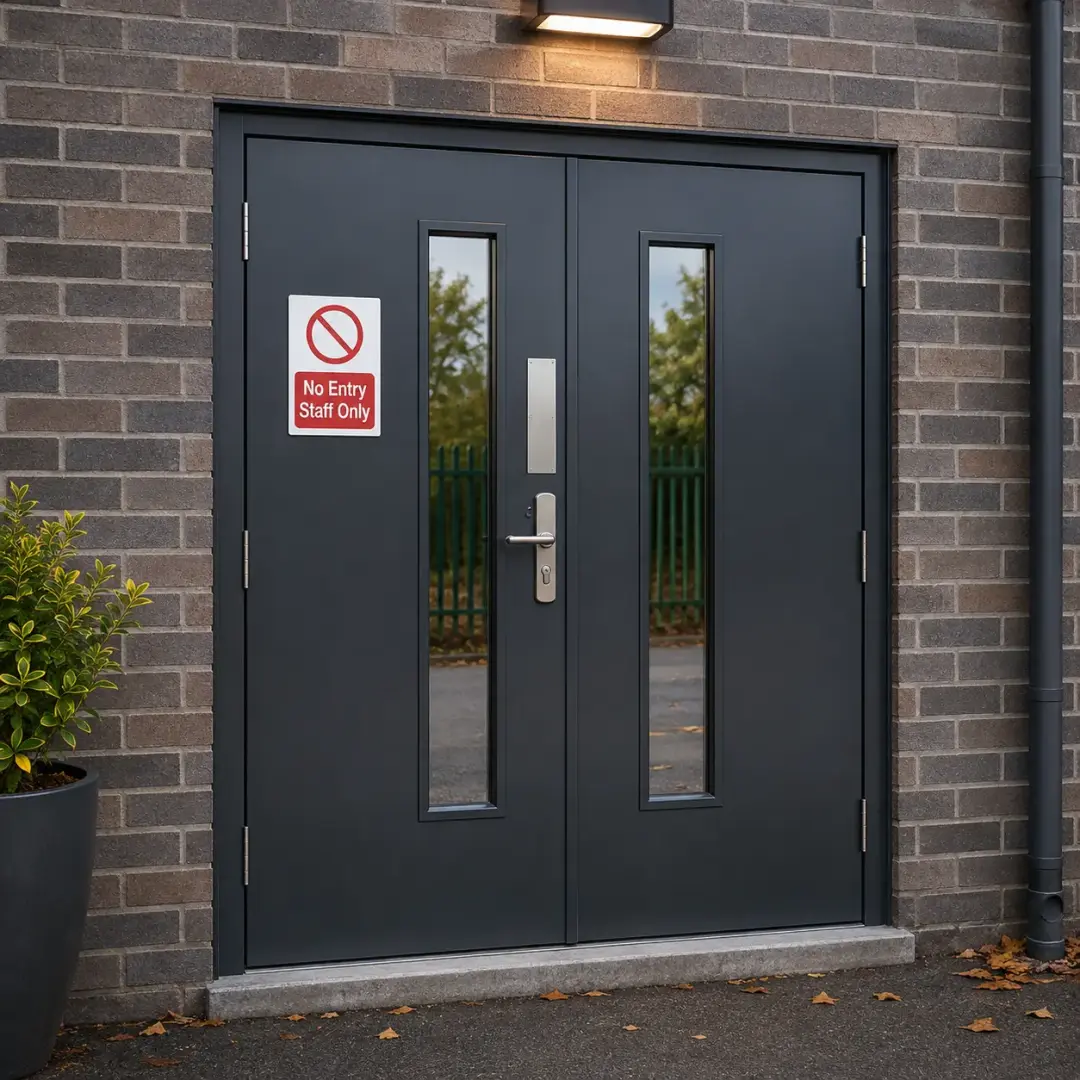
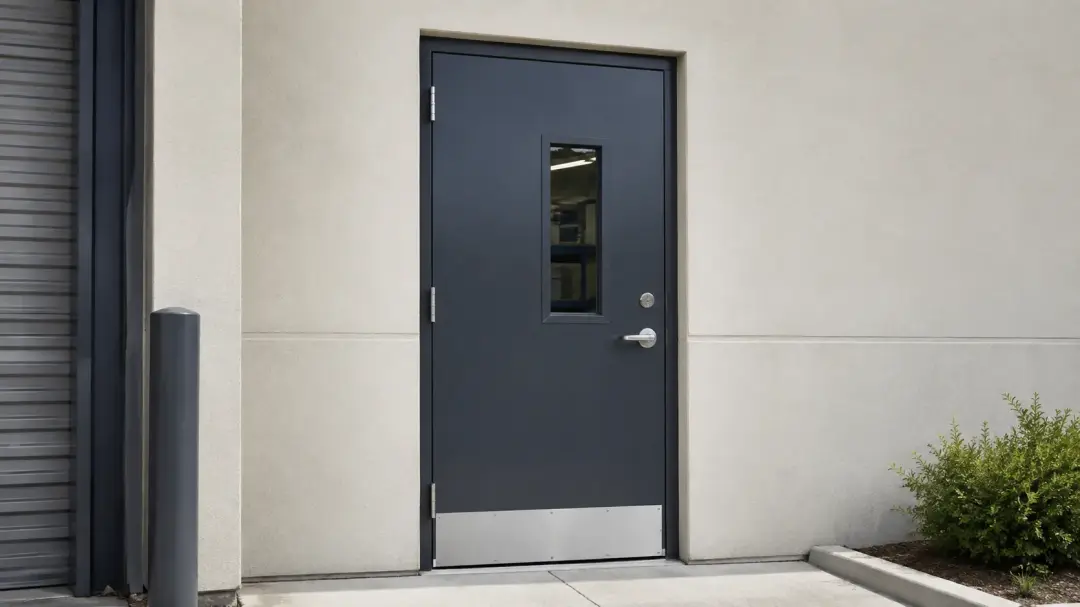
The steel construction provides a durable barrier that suits areas experiencing frequent daily use. Door closers can help prevent staff entrances being left open accidentally. Vision panels may also be useful where people approach the door from both sides.
Where sensitive materials or valuable equipment are stored beyond the entrance, stronger locking arrangements can be considered. The opening width and hardware should suit the number of employees using the route.
Businesses should also avoid creating access controls that interfere with emergency escape. A correctly specified steel pedestrian door gives employees convenient entry while helping the organisation maintain a clear boundary between public and restricted areas.
Steel Doors for Plant Rooms and Service Areas
Plant rooms and service areas contain equipment that often needs to remain inaccessible to unauthorised people. Steel pedestrian doors provide a durable entrance that can be fitted with suitable locking systems. These areas may contain electrical installations, heating equipment, controls or other important building services.
Access may therefore be limited to maintenance personnel and authorised staff. Key-operated locks, keypads or electronic access control can all be considered depending on the site. External plant room doors should also be suitable for weather exposure. The entrance needs to remain practical for engineers carrying tools or replacement parts.
Self-closing devices can help ensure doors return to the secure position after use. Where fire or emergency requirements also apply, the doorset should be specified accordingly. Combining strong construction with controlled entry helps protect important plant and service equipment while allowing authorised engineers convenient access for inspection, maintenance and repairs.
Steel Doors for Warehouses and Factories
Warehouses and factories often require several levels of access control across the same site. Employees may need to enter general operational areas while storage rooms, plant spaces or production zones remain restricted. Steel pedestrian doors provide a practical way to separate these areas. External staff entrances can use card readers or keypads so authorised workers enter without requiring large loading doors to be opened. This can also help separate pedestrian routes from vehicle entrances. Internal doors can restrict access to machinery areas, valuable stock or hazardous processes.
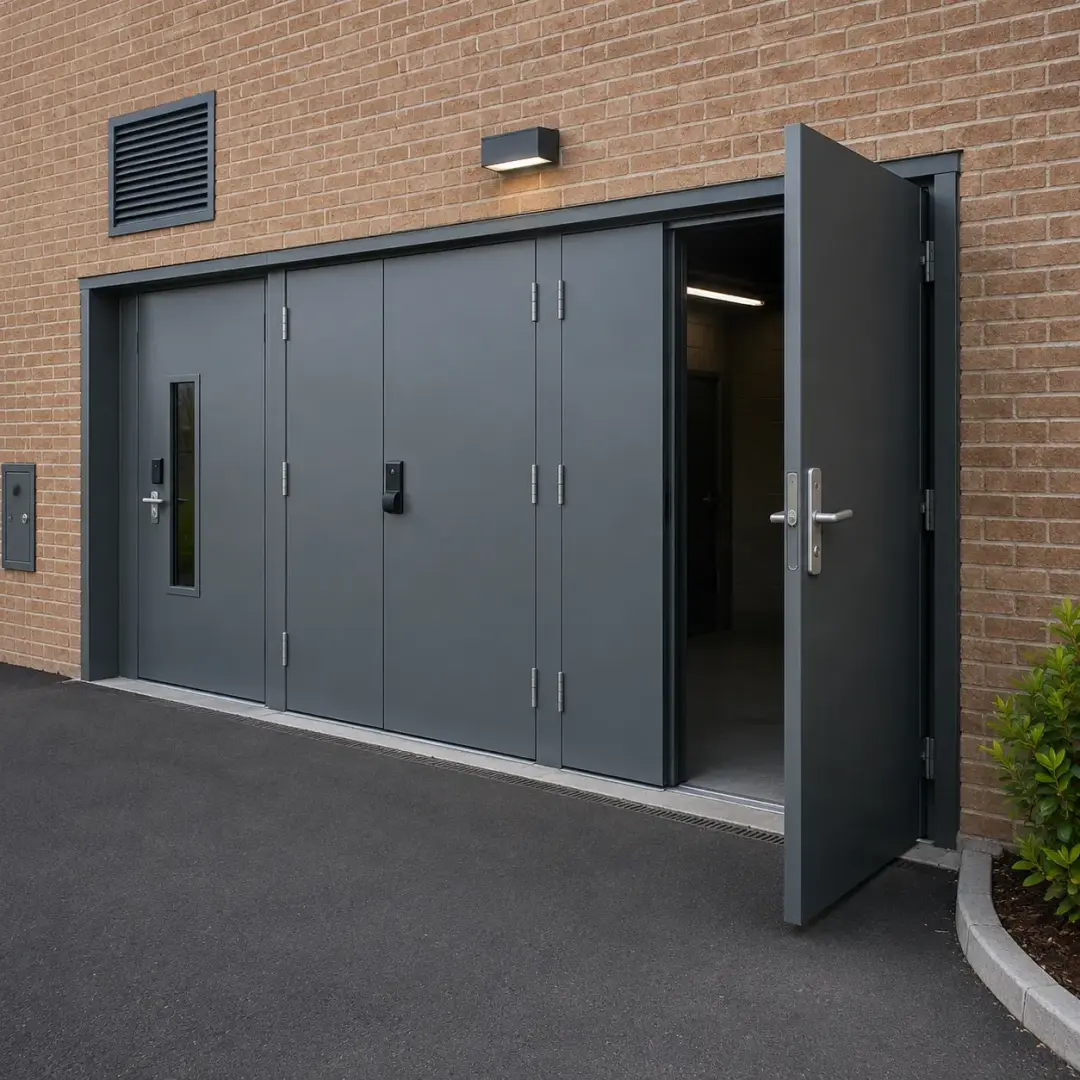
The steel construction is useful in industrial environments where doors experience frequent use and occasional knocks. Door hardware should be selected for the expected traffic level. High-use doors may need heavy-duty hinges and closers.
Access control systems can also help organisations manage employees working different shifts. Where necessary, permissions can be changed without replacing physical locks.
Emergency exits require additional consideration because security should not prevent people leaving during an emergency. Warehouses and factories may therefore use different hardware on different doors depending on whether each opening provides entry, escape or both.
Professional specification helps ensure the steel doors support security while remaining practical for the way employees and goods move around the site.
Steel Doors for Commercial Buildings
Commercial buildings can use steel pedestrian doors at rear entrances, staff areas, service corridors and secure internal rooms. These locations often require stronger security than the main customer-facing entrance. Access can be controlled using keys, keypads, cards or electronic systems.
The right option depends on the number of users and how frequently permissions need to change. Office buildings may use card-controlled staff entrances, while shops may need secure rear doors protecting stock areas. Self-closing devices can help ensure these entrances do not remain open after use. The door finish can still be selected to suit the appearance of the property.
Where visitor access is required, an intercom system can allow staff to confirm who is requesting entry before releasing the door. A suitable steel pedestrian door combines robust construction with practical access features, allowing commercial properties to manage employees, visitors and restricted areas more effectively throughout normal business operations.
Steel Doors for Schools and Public Buildings
Schools and public buildings need to balance convenient movement with controlled access. Large numbers of people may use the premises each day, while certain areas need to remain restricted to authorised staff. Steel pedestrian doors can be installed at staff entrances, plant rooms, maintenance areas, storage rooms and external service entrances.
Keypad or card access can allow employees to enter without making the same route freely available to visitors. Public-facing doors may require a different arrangement so people can access reception areas during opening hours. Internal steel doors can create clear boundaries between these accessible areas and restricted parts of the building.
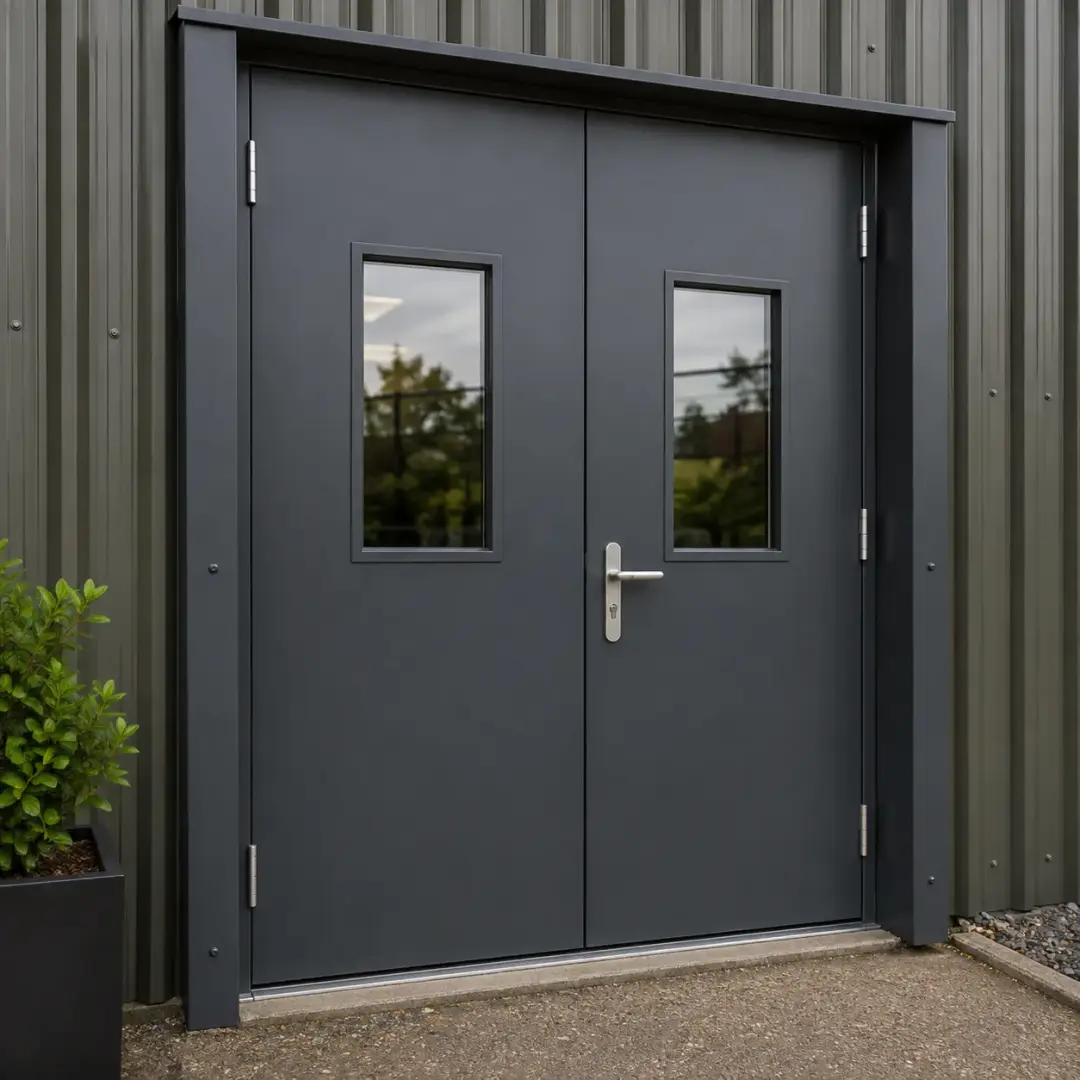
Vision panels can improve visibility around busy entrances. Self-closing devices can also help doors return to their secure position automatically.
Hardware needs to withstand frequent use, especially in schools and community facilities. Access permissions should be reviewed when staff roles change.
Emergency escape routes require additional planning so locking systems do not prevent safe evacuation.
A school or public building may therefore use several different access methods across one property. Professional planning helps match each steel pedestrian door to the people who use it, the security risks present and the level of public access that needs to be maintained.
Steel Doors for Apartment Blocks and Shared Areas
Apartment blocks can use steel pedestrian doors to control access to communal entrances, car parks, bin stores and service areas. Shared entrances need to remain convenient for residents while preventing unrestricted public access. Electronic fobs, keypads or intercom systems are commonly suitable for these situations.
Intercom entry allows residents to communicate with visitors before releasing the door. Service and plant rooms can use separate locking arrangements so only authorised personnel can enter. Steel construction provides durability for communal doors that may be used many times each day.
Door closers help ensure entrances return to the closed position after residents pass through. The locking and access system should also reflect any emergency escape requirements affecting the door.
Regular maintenance is important because heavy use can affect hinges, locks and closers. A properly specified steel pedestrian door can provide reliable shared access while helping residents and building managers maintain greater control over who enters communal areas.
Using Locks to Control Building Access
Locks are one of the simplest ways to control access through steel pedestrian doors. They create a physical restriction that determines who can open the entrance from the secure side. Different types of lock suit different buildings and levels of security. Traditional key-operated locks can work well where only a small number of authorised people require access. Larger businesses may prefer systems that reduce the need to distribute and track many physical keys. The lock should be appropriate for the strength and construction of the steel doorset.
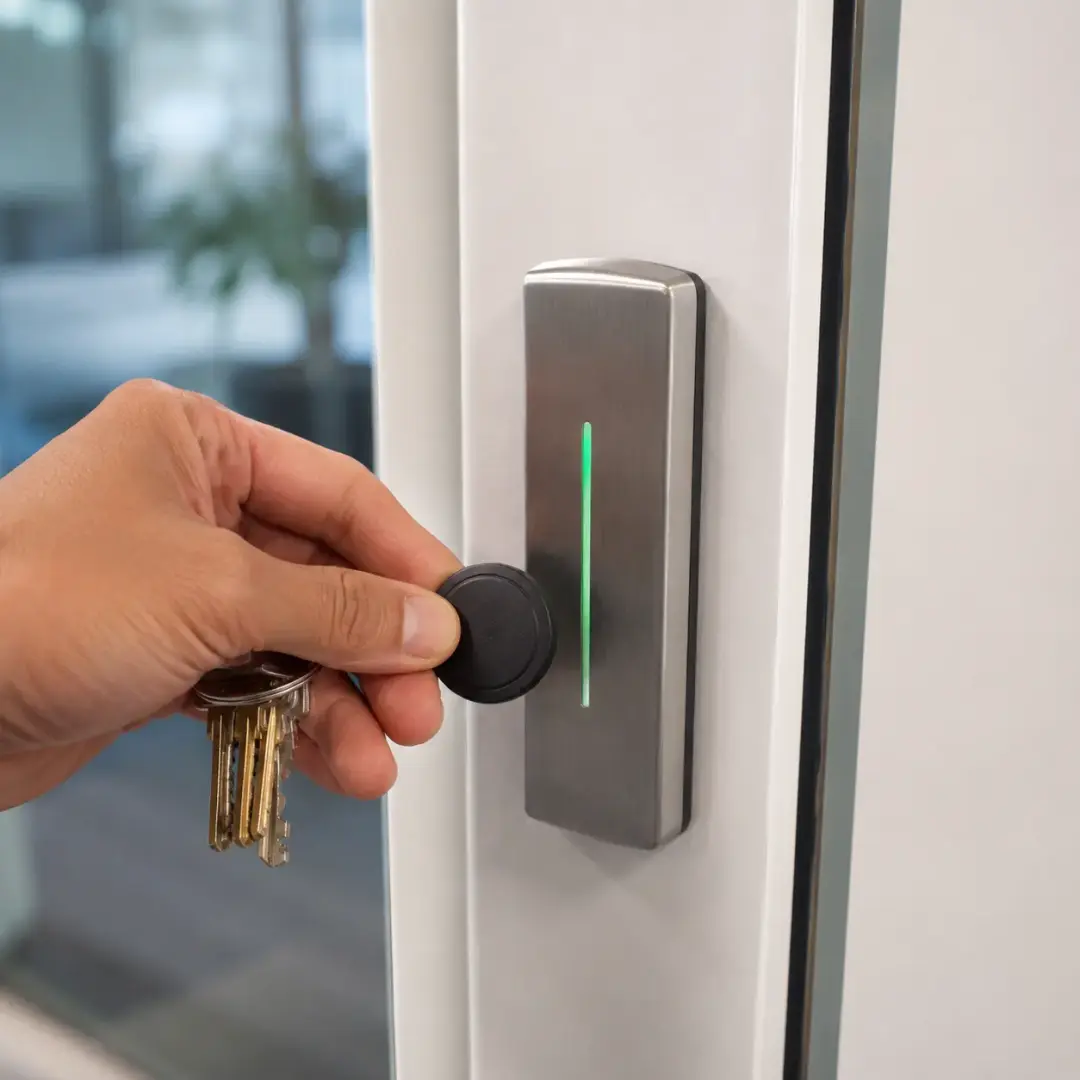
A heavy-duty steel door fitted with unsuitable locking hardware may not provide the expected level of protection. Multi-point or other enhanced locking arrangements may be suitable for higher-risk entrances depending on the doorset. Internal and external doors can also require different configurations.
The method used to control entry should not interfere with emergency exit requirements from inside the building. Locks need regular maintenance because worn mechanisms can become difficult to operate or fail to secure properly.
Keys should also be managed carefully. If keys are lost or not returned by former employees, locks may need changing. Choosing suitable locking equipment ensures the strength of the steel pedestrian door is supported by a reliable method of controlling authorised entry.
Choosing Suitable Locking Systems
Choosing a locking system begins with assessing who needs access and the level of security required. A low-risk internal room may only need a conventional key lock. An external entrance protecting valuable equipment may require a stronger arrangement.
The number of users also matters. Issuing individual keys can become difficult to manage in larger organisations. Electronic access control can offer greater flexibility in these situations. Emergency escape requirements need to be considered before selecting any lock.
People should still be able to leave through designated exits when required. The door construction and frame should be compatible with the chosen locking hardware. Usage levels are also important because heavily used locks need sufficient durability.
A professional supplier can explain different options and help match the locking arrangement to the steel doorset. Selecting the right system provides useful security without making everyday access unnecessarily complicated for authorised building users.
Using Keypad Entry with Steel Pedestrian Doors
Keypad entry systems allow authorised users to unlock a steel pedestrian door by entering a code. They can be useful where several employees or contractors need access without being issued individual physical keys. A keypad can be installed as part of an electronic locking system connected to the door. The code should only be shared with people who require access. Changing the code periodically can help maintain security, particularly when staff members leave or contractors finish working at the site.
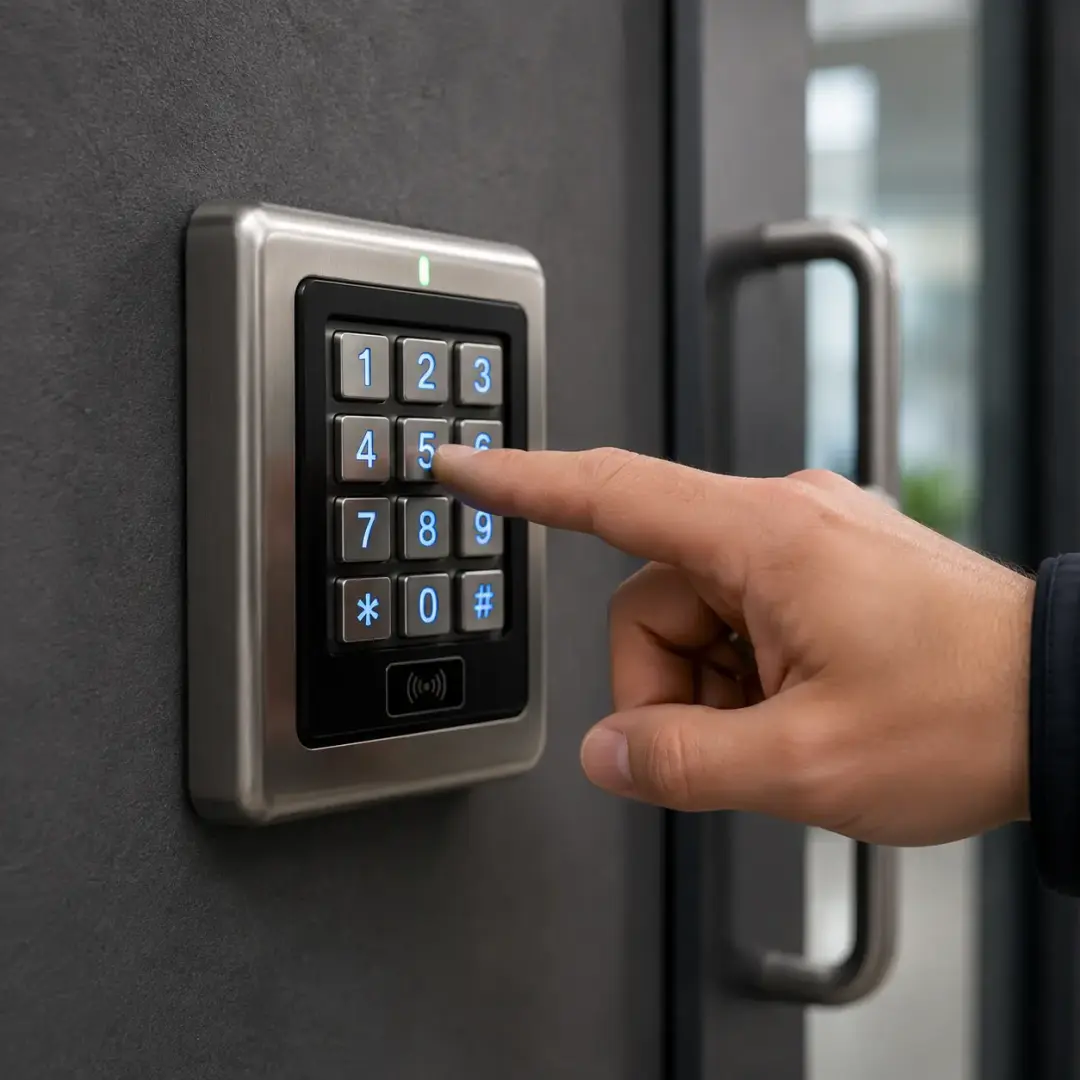
Different codes may be available on more advanced systems, allowing separate users or groups to be managed. The keypad should be installed in a position that is convenient to operate while remaining protected from unnecessary damage. External installations need equipment suitable for outdoor conditions.
The electric locking hardware should also be compatible with the steel doorset. Power failure and emergency escape arrangements need to be considered during the system design. Where the door forms part of an emergency route, occupants should still be able to leave as required.
A keypad does not replace the need for a strong door, frame and suitable hardware. Instead, it provides a convenient way to manage authorised entry. Combining keypad control with a robust steel pedestrian door can work particularly well for staff entrances, plant rooms and other regularly accessed restricted areas.
Using Card Access Systems
Card access systems allow authorised users to unlock doors using a card or similar credential. They are commonly used in offices, industrial buildings, schools and shared commercial premises. Each card can usually be assigned to a specific person. This makes permissions easier to manage than shared keys or codes.
If an employee leaves or loses a card, access can normally be cancelled without replacing the door lock. Different people can also be given access to different areas. The reader and electronic locking equipment should be compatible with the steel door. External systems need appropriate weather protection.
Access records may also be available depending on the system being installed. Emergency exit arrangements should be incorporated into the design. Card access is particularly useful where many employees use the same entrance but building managers still need control over who can enter restricted areas. Combined with a durable steel pedestrian door, it provides a flexible approach to everyday building security.
Using Electronic Access Control
Electronic access control allows building managers to control steel pedestrian doors using digital credentials rather than relying solely on conventional keys. Systems can include card readers, fobs, keypads and other authorised-entry devices. One major advantage is flexibility. Individual users can be given different permissions according to their role. For example, warehouse staff may access general operational areas while maintenance personnel can also enter plant rooms. Permissions can usually be changed when employees join, move roles or leave. This reduces the need to replace locks whenever access arrangements change. Some systems can also restrict access according to time.
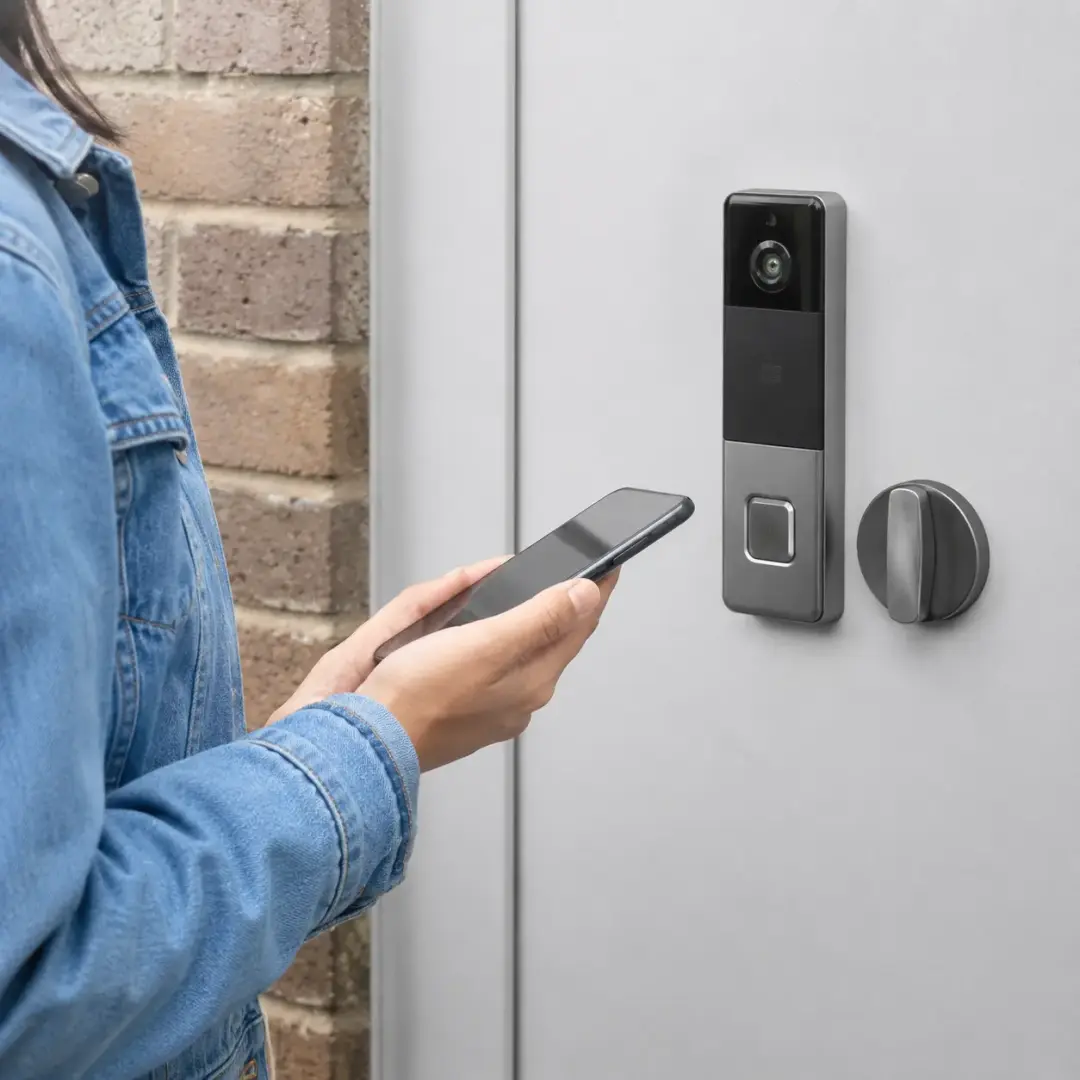
A staff entrance might operate during working hours while remaining locked outside scheduled periods. Activity records may be available depending on the equipment used. Electronic access control still depends on the physical security of the steel door and frame.
The lock, hinges and installation should therefore provide suitable strength. Power supply and failure arrangements need careful planning. Doors forming part of escape routes must continue allowing occupants to leave safely.
Professional installation helps ensure the electronic equipment works correctly with the steel pedestrian doorset. When appropriately designed, electronic access control can provide businesses with a practical way to manage large numbers of users while maintaining clear restrictions around sensitive areas.
Using Intercom Entry Systems
Intercom systems allow someone inside a building to communicate with a visitor before releasing a controlled entrance. They are frequently used at apartment blocks, offices and other shared buildings. Audio systems allow conversation, while video intercoms can provide additional visual identification.
The steel pedestrian door can remain locked until an authorised person activates the release. This provides greater control than leaving a communal entrance unlocked. Intercom systems are particularly useful where visitors need occasional access but should not receive permanent keys or codes.
The electronic lock must be compatible with the door and access system. Equipment installed externally should be designed for the surrounding conditions. Door closers can help ensure the entrance secures again after the visitor enters. As with other electronic systems, emergency escape arrangements must still function correctly. A properly installed intercom combined with a steel pedestrian door can create a practical balance between visitor convenience and controlled building entry.
Steel Pedestrian Doors with Panic Hardware
Panic hardware allows occupants to open certain doors quickly from inside during an emergency while the entrance remains controlled from the opposite side. This can be especially important where a steel pedestrian door forms part of an escape route. The hardware is typically designed so people can operate the door easily in an emergency. The exact type required depends on the building, occupancy and intended use. External access can still be restricted using suitable locking arrangements. This allows the door to provide security against unauthorised entry without preventing people from leaving. Panic hardware must be compatible with the complete steel doorset.
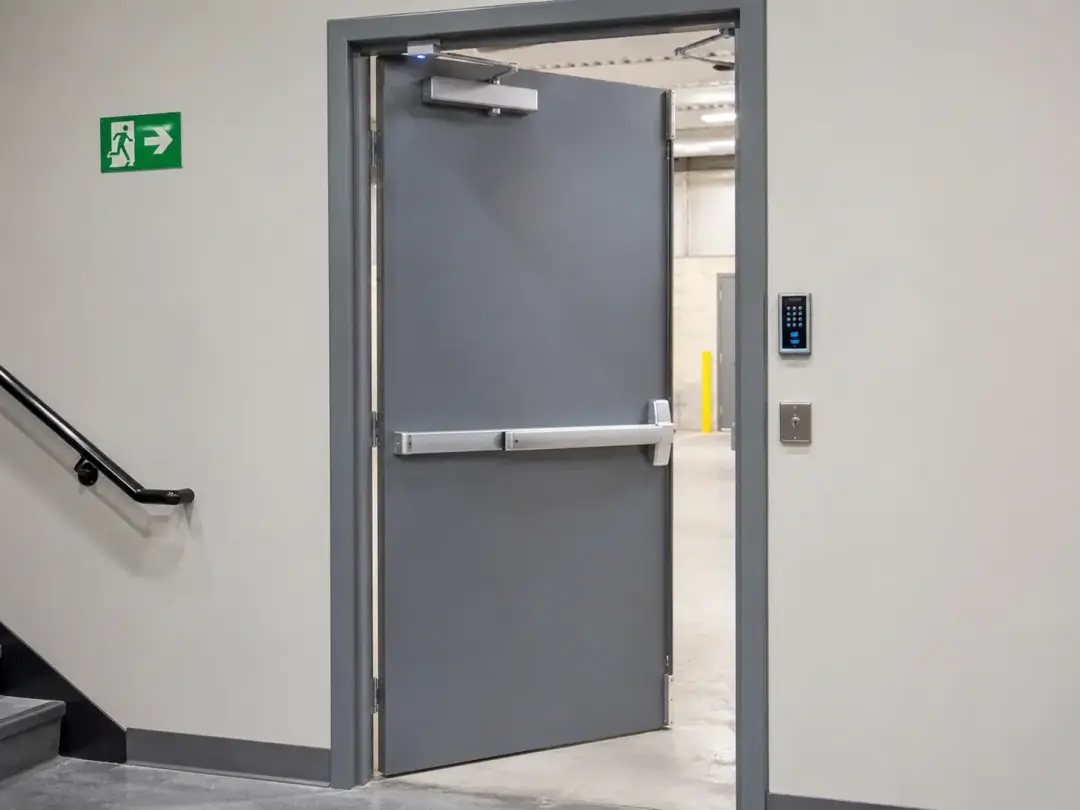
Adding unsuitable locks or bolts can interfere with its operation. The hardware should also be positioned correctly and remain unobstructed.
Regular testing is important because heavy use can loosen components or affect the closing action. A self-closing device may also be fitted where required. Businesses should avoid treating panic hardware as an ordinary door handle that can be modified without considering the wider escape arrangements.
Where electronic access control is used on the entry side, the emergency exit function still needs to operate correctly. Professional specification helps ensure the steel door balances controlled entry with straightforward emergency exit. This allows businesses to improve access security without creating unnecessary barriers during evacuation.
Controlling Access Without Blocking Emergency Exits
Access control needs to restrict entry without preventing safe exit during an emergency. This is particularly important where secured steel pedestrian doors form part of escape routes. Locks and electronic systems should be selected with the door's emergency function in mind. Panic or emergency exit hardware may allow occupants to leave while keeping the exterior side secured.
Electronic locks may also require suitable release arrangements. Businesses should not add extra bolts, padlocks or security devices that prevent required emergency opening. Door closers and access control equipment need to work together correctly. Regular checks can confirm that the door opens as intended from the escape side.
Security requirements can be strong without compromising evacuation. The key is identifying the door's complete purpose before selecting hardware. A professional steel door supplier can help combine the required access control with appropriate emergency exit operation for the particular building and location.
Using Self-Closing Devices
Self-closing devices return steel pedestrian doors to the closed position after someone passes through. This can improve access control because a secure door provides little protection when it is accidentally left open. Closers are particularly useful at staff entrances, communal doors and controlled internal access points. The closer should move the door smoothly and bring it fully into the frame. If it is set too weakly, the door may stop before the lock or latch engages. If it is excessively strong, some users may find the door unnecessarily difficult to open. Correct adjustment is therefore important.
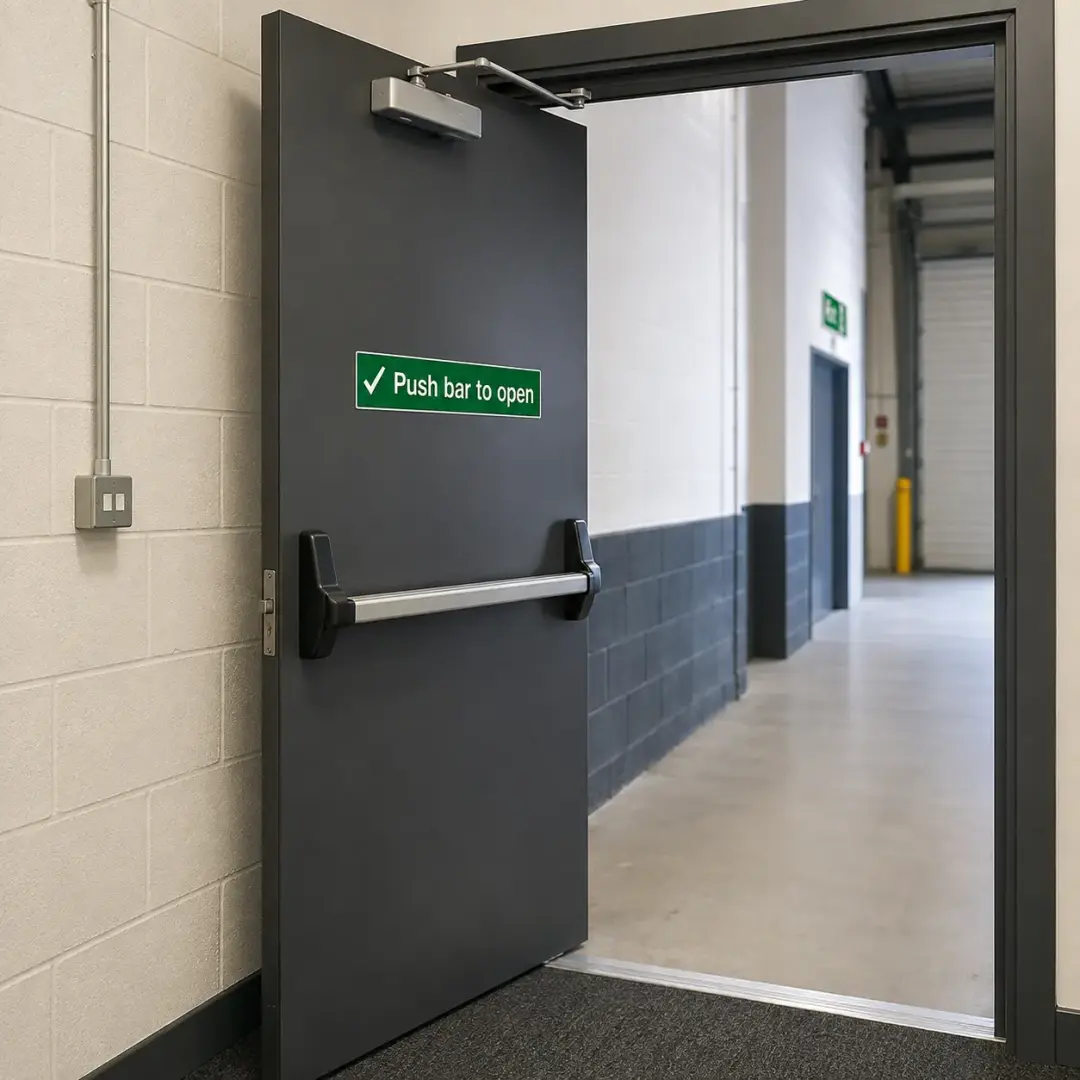
The weight and size of the steel door should be considered when selecting the closer. High-traffic entrances may require more durable equipment because they operate repeatedly throughout the day. Wind can also affect external doors, making suitable closer selection important.
Access control systems rely on the door returning to the secure position after every use. A door left partly open can allow someone to enter without presenting a card, entering a code or using a key.
Closers should therefore be inspected regularly for leaks, loose fixings or changes in operation.
Used correctly, a self-closing device helps the security system operate consistently without depending on every user remembering to close the door manually.
We supply and fit robust steel pedestrian doors to businesses and public premises across Shrewsbury, Bridgnorth and Telford, ensuring every doorway combines uncompromising security, professional appearance and long-term reliability in daily use.