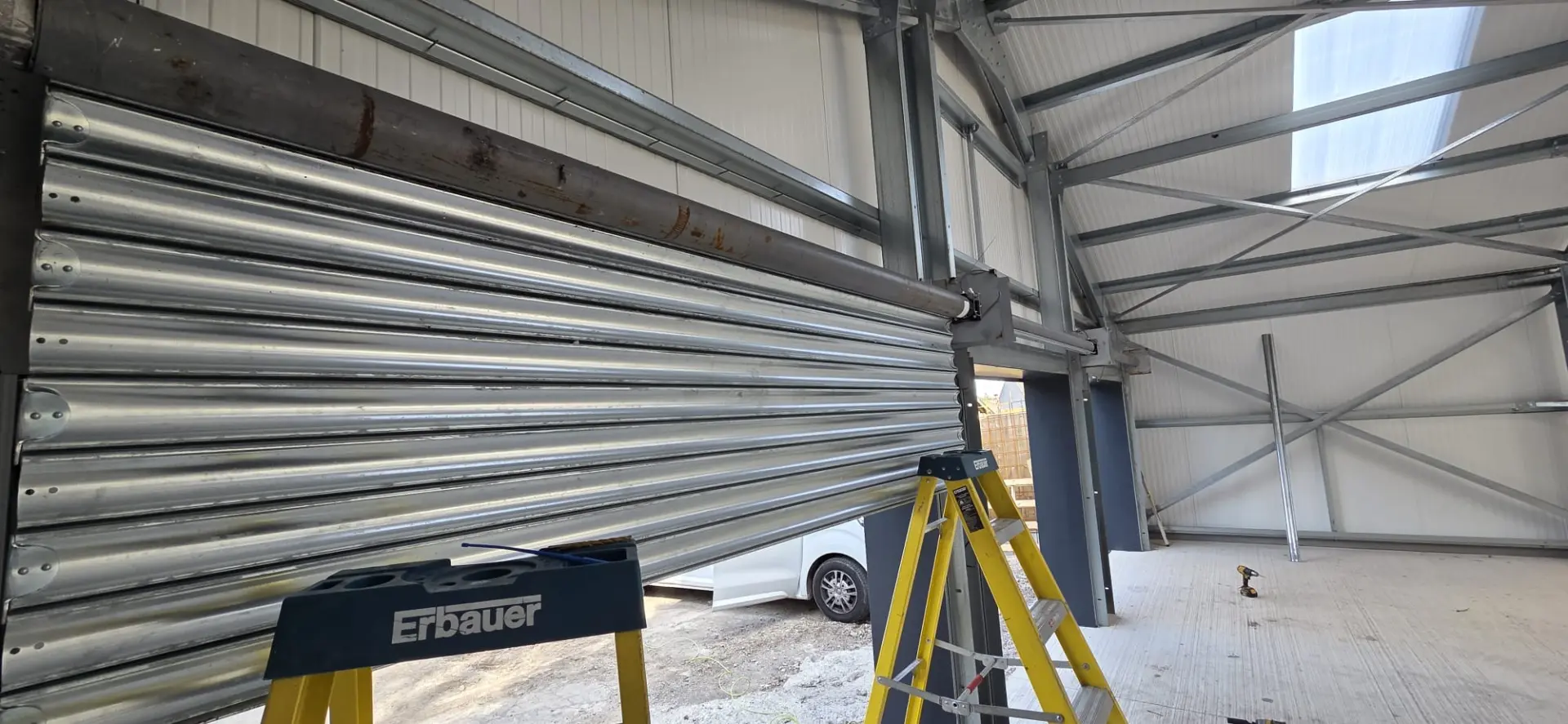
Why Roller Shutters Break Down
Roller shutters can break down because of wear, poor maintenance, accidental damage, electrical faults or incorrect use. The moving parts are used repeatedly, so components such as motors, tracks, bearings, springs and control switches can gradually become worn.
Dirt and debris may collect inside the tracks, making the shutter harder to move and placing extra strain on the motor. Weather can also cause rust, water damage or swelling around external fittings. A shutter may fail suddenly if it is forced when stuck or if an obstacle blocks its path.
Small faults, including loose fixings, unusual noises or slow movement, can develop into larger problems when ignored. Regular checks and timely repairs reduce the chance of an unexpected breakdown. Staff should also understand how to operate the shutter correctly and when to stop using it. Careful use, cleaning and professional servicing help keep the system safe, reliable and ready for daily operation.
Carry Out Regular Visual Checks
Regular visual checks can help you notice early signs of wear before the shutter stops working. Start by looking at the curtain, tracks, bottom rail, fixings and surrounding frame. Check for dents, bent sections, loose screws, rust, gaps or parts that appear out of line. The shutter should sit evenly when open and closed, without leaning to one side.

Look for marks that suggest the curtain is rubbing against the tracks. Frayed cables, cracked switches, damaged control boxes or loose electrical covers should also be reported. Do not touch exposed wiring or attempt electrical repairs without suitable training.
Carry out checks when the shutter is still and the area is clear. Compare both sides so small differences are easier to notice. If the shutter is used often, complete these checks more regularly.
Keep a simple written record of anything unusual, including the date and the action taken. This helps you track repeated faults and show when maintenance was completed. A visual check cannot replace professional servicing, but it can identify obvious problems early. Prompt attention may prevent further damage, reduce downtime and support safer operation for staff, customers and visitors.
Keep the Shutter Tracks Clean
Clean tracks help the shutter move smoothly and reduce strain on the motor and moving parts. Dust, stones, packaging, leaves and other debris can collect inside the guides, especially near entrances, loading areas and outdoor shutters. Even a small obstruction may cause rubbing, uneven movement or a complete stop.
Switch off the shutter before cleaning and follow the safety instructions for the system. Use a soft brush or dry cloth to remove loose dirt. Avoid pushing tools deeply into the tracks or using anything that may bend the metal. Water and harsh cleaning products should not be used near electrical parts.
Check both tracks from top to bottom where it is safe to do so. If you notice damage, rust or an object that cannot be removed safely, stop using the shutter and arrange a repair. Keeping the guides clear supports steady movement, limits wear and helps prevent avoidable breakdowns during regular daily use.
Remove Dirt and Debris from Moving Parts
Dirt and debris can collect around rollers, hinges, bearings, the bottom rail and other moving parts. As this material builds up, it can restrict movement and cause the shutter to work harder than normal. This may lead to grinding noises, slow operation, uneven movement or added strain on the motor.
Before cleaning, isolate the power and follow the manufacturer’s safety guidance. Remove loose dust with a soft brush, cloth or suitable vacuum attachment. Pay attention to areas where insects, leaves, grease or packaging waste may gather. Do not place your fingers near springs, rollers or other parts that could move unexpectedly.

Avoid using sharp tools, strong chemicals or large amounts of water. These may damage surfaces, seals or electrical parts. Cleaning should be gentle and limited to areas that can be reached safely from ground level.
If dirt is mixed with old grease or the internal parts are difficult to access, arrange professional maintenance. A trained technician can clean the system without disturbing important settings or safety parts.
Regular cleaning supports smooth movement and makes inspection easier. It also allows dents, loose fixings, corrosion and wear to be noticed sooner. A clean shutter is less likely to jam, overload the motor or fail during an important opening or closing cycle.
Lubricate the Correct Parts
Lubrication can reduce friction and support smoother operation, but only the correct parts should be treated. Using the wrong product or applying too much can attract dirt, damage materials or make the shutter unsafe. Always check the manufacturer’s guidance before adding any lubricant.
Some bearings, hinges or approved moving joints may need a suitable product at set intervals. Tracks are often designed to remain clean and dry, so applying oil inside them may cause dust and debris to build up. Electrical parts, motors, brakes and safety devices should not be sprayed.
Switch off the power before carrying out basic maintenance. Apply only a small amount and wipe away any excess. Stop if the part is difficult to reach or if the system must be opened. Professional servicing is the safest choice when lubrication points are unclear. Correct care helps reduce noise, limit wear and prevent unnecessary strain without creating additional problems for the shutter system.
Check for Unusual Noises
Unusual noises are often an early sign that a roller shutter needs attention. Grinding, scraping, clicking, rattling, squealing or banging can point to dirt in the tracks, loose fixings, worn bearings, damaged slats or problems with the motor. The sound may only appear during part of the opening or closing cycle.
Listen from a safe distance while the shutter operates. Note whether the noise comes from one side, the top box, the motor or the bottom rail. Also record when it happens and whether the shutter slows, shakes or moves unevenly at the same time.

Do not ignore a new sound because the shutter still operates. Continued use can increase wear and turn a small repair into a larger fault. Never place your hands near moving parts to locate the source.
If the sound is loud, sudden or joined by jerking, stop the shutter and isolate the power where safe. Arrange an inspection before using it again. Quieter or occasional noises should still be reported and monitored.
A repair specialist can check the alignment, tracks, motor, bearings, fixings and safety parts. Early investigation can prevent damage, reduce downtime and help the shutter continue to open and close smoothly, quietly and safely.
Test the Shutter Controls
Controls should be tested regularly to confirm that the shutter responds correctly and stops when required. Check wall switches, key switches, remote controls and any connected safety systems. The shutter should move in the selected direction without delay, repeated button presses or unexpected stopping.
Inspect control units for cracks, loose covers, damaged buttons or signs of water entry. Remote controls may need new batteries if their range becomes poor or operation becomes unreliable. Keep spare controls secure and away from unauthorised users.
Test the emergency stop and manual release only in line with the system instructions. Staff should understand how these features work before an emergency occurs. Never bypass a control or safety device to keep the shutter operating. If a button sticks, the shutter moves in the wrong direction or the controls respond inconsistently, stop using the system and arrange a check. Reliable controls are essential for safe daily operation and can help prevent motor damage, trapping risks and unexpected breakdowns.
Inspect the Motor and Power Supply
The motor and power supply are central to an electric roller shutter, so signs of trouble should be checked quickly. A motor that sounds strained, runs slowly, becomes unusually hot or stops during movement may be overloaded or worn. Repeated tripping of a fuse or circuit breaker can also point to an electrical fault.
Look at accessible cables, plugs, isolators and control boxes for visible damage, loose covers, burning marks or water entry. Do not open sealed units or touch exposed wiring. Electrical work should only be completed by a suitably trained person.

Check whether the problem affects one shutter or several shutters on the same supply. A wider power issue may involve the building rather than the shutter itself. If a backup power system is fitted, test it according to the instructions.
Keep the area around the motor housing clear and dry. Do not store items against control boxes or cover ventilation openings. Heat and moisture can shorten the working life of electrical parts.
If the shutter loses power, makes a burning smell or behaves unpredictably, stop using it and isolate the supply where safe. A repair specialist can test the motor, controls, wiring and power source. Early checks may prevent complete motor failure and reduce disruption to the premises.
Avoid Forcing a Stuck Shutter
A stuck roller shutter should never be forced by pulling, pushing or repeatedly pressing the controls. The shutter may be blocked by debris, damaged tracks, bent slats, a failed motor or a problem with the locking system. Applying extra force can worsen the fault and create a safety risk.
Stop the shutter as soon as movement becomes uneven or restricted. Check the opening from a safe distance for visible objects, but do not reach beneath the curtain or place tools inside moving parts. If an easy obstruction can be removed without touching the shutter, clear it only after isolating the power.
Do not attempt to lift a heavy shutter manually unless the system includes an approved manual release and you have been trained to use it. A falling curtain can cause serious injury or property damage. Call a repair specialist if the shutter remains stuck. Professional attention protects the motor, tracks, curtain and users from further harm.
Repair Small Problems Early
Small roller shutter problems often become more serious when they are left unresolved. A loose fixing may allow parts to move out of line, while a minor dent can catch inside the track and damage nearby slats. Slow movement, occasional stopping or a weak control response may place increasing strain on the motor.
Report faults as soon as they appear and limit use until the cause is checked. Keep a record of the symptom, when it happened and whether it is becoming more frequent. This information can help a technician find the problem quickly.

Simple work, such as tightening an accessible cover or replacing a control battery, may be covered by your maintenance guidance. Repairs involving springs, motors, wiring, brakes, tracks or the curtain should be completed by a trained specialist. These parts can be heavy, powered or under tension.
Early repairs can reduce downtime and may avoid the need to replace several damaged components. They also help maintain the shutter’s security and safe operation. A system that closes unevenly or fails to lock properly may leave the building exposed.
Do not wait for the shutter to stop completely before arranging help. Prompt action is usually safer, less disruptive and more cost-effective than dealing with an unexpected breakdown during business hours.
Arrange Regular Professional Servicing
Professional servicing helps identify wear that may not be clear during everyday checks. A trained technician can inspect the curtain, guides, motor, controls, fixings, bearings, safety devices and manual release. They can also test operation and complete approved adjustments.
The service schedule depends on the shutter type, age, location and level of use. Shutters used several times each day or exposed to difficult weather may need more frequent attention. Follow the manufacturer’s guidance and any safety duties that apply to the premises.
Keep service records, repair reports and details of replaced parts. These documents help track recurring faults and show that maintenance has been completed. Servicing does not guarantee that a fault will never occur, but it lowers the risk of avoidable failure. It can also support smoother operation, better security and a longer working life. Arrange visits in advance so maintenance is completed without disrupting important opening, closing or delivery times.
Train Staff to Use Roller Shutters Safely
Staff training reduces incorrect use and helps faults get reported before they cause a breakdown. Anyone who operates a roller shutter should know how to open, stop and close it using the approved controls. They should also understand the purpose of emergency stops, manual releases and safety sensors where fitted.
Explain that the opening must remain clear while the shutter moves. Staff should never walk, drive or move goods beneath a closing curtain. Items must not be stored in the tracks or against the bottom rail.

Operators should watch the shutter during movement and stop it if they notice jerking, unusual noise, poor alignment or an obstruction. Repeatedly pressing buttons or forcing a manual control can cause further damage. Faults should be reported to a named person and recorded.
Limit keys, remote controls and access codes to authorised users. Secure controls when they are not needed and replace lost devices promptly. New staff should receive training before operating the shutter alone.
Provide clear written instructions near the control point, including what to do during a power failure or emergency. Refresher training can address poor habits and remind staff of safe procedures. Careful operation protects people, goods, vehicles and the shutter system itself.
Protect Roller Shutters from Weather Damage
External roller shutters are exposed to rain, wind, frost, sunlight and changing temperatures. Over time, these conditions may cause corrosion, damaged seals, stiff movement or water entry around motors and controls. Regular checks are especially important after severe weather.
Keep drainage points clear and remove leaves or standing water near the shutter. Check painted or coated surfaces for chips and rust. Early treatment can stop corrosion from spreading. Make sure control boxes, switches and cable entries remain properly covered and dry.
Do not operate the shutter when strong winds, ice or packed snow prevent safe movement. Clear weather-related obstructions only after isolating the power and following the maintenance guidance. Never chip ice from slats using sharp tools. Suitable weather protection, correct installation and timely repairs can reduce damage. A specialist should inspect bent parts, water entry or electrical faults. Protecting the system from the weather supports reliable operation and helps prevent sudden failure.
Create a Simple Maintenance Schedule
A maintenance schedule helps ensure that checks, cleaning and servicing are completed at suitable times. Start by listing each roller shutter, its location, type, age and normal level of use. Shutters that operate frequently or protect busy entrances may need closer attention.
Set simple daily or weekly checks for obvious damage, unusual noise, slow movement and blocked tracks. Cleaning may be planned monthly or more often where dust, leaves or packaging collect quickly. Professional servicing should follow the manufacturer’s advice and the conditions at the site.

Name the person responsible for each task. Without clear responsibility, maintenance can be missed or assumed to be someone else’s job. Use a paper log or shared digital record to note dates, findings, repairs and future actions.
Include control testing, emergency features and visual checks of accessible electrical parts. Do not include tasks that require staff to remove covers, work at height or handle tensioned components unless they are trained and authorised.
Review the schedule after a breakdown, change in usage or new installation. Repeated faults may show that checks need to happen more often. A clear routine reduces forgotten tasks, supports faster repairs and helps keep the shutters dependable, secure and safe throughout regular use.
When to Call a Roller Shutter Repair Specialist
Call a roller shutter repair specialist when the system moves unevenly, becomes stuck, makes loud noises or fails to respond to its controls. Professional help is also needed for damaged tracks, bent slats, broken locks, motor faults, exposed wiring, burning smells or repeated power failures.
Stop using the shutter if it could fall, trap someone or cause further damage. Isolate the power where it is safe to do so and keep people away from the area. Do not remove covers, release springs or attempt to repair heavy moving parts without suitable training.
Provide the specialist with details about the shutter, the fault and when it began. Mention any warning lights, unusual sounds, recent damage or weather exposure. This may help them prepare suitable parts and equipment. Calling early can prevent wider damage and reduce disruption. A qualified specialist can inspect the complete system, complete safe repairs and test the shutter before it returns to service.
For trusted Dudley roller shutters and roller shutter repairs, choose our family run business. Our business specialises in keeping and installing roller shutters, shutter doors and industrial doors that are secure, durable and in working order. Contact us today to discuss your business needs and receive a competitive quote for tailored repairs.