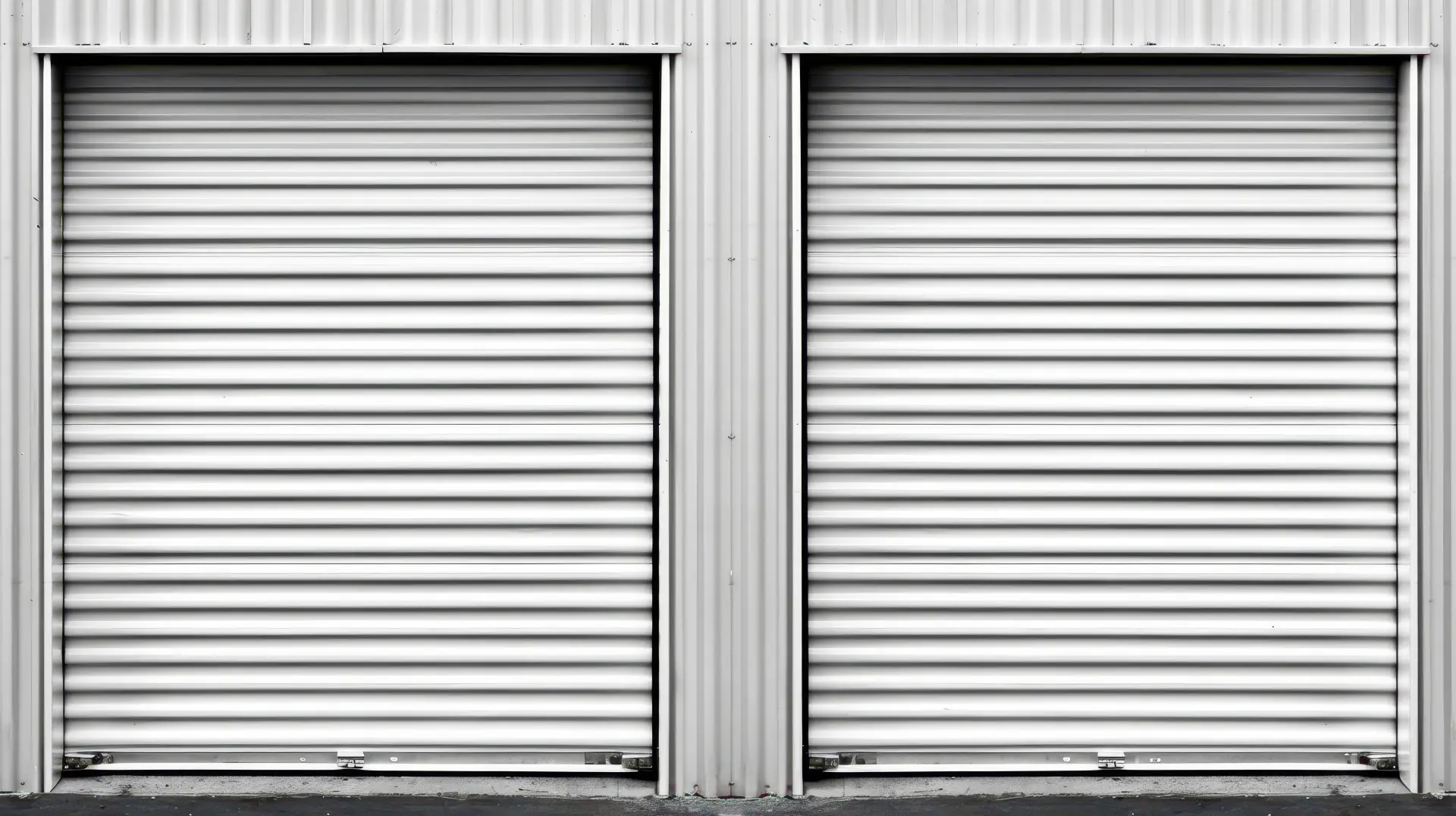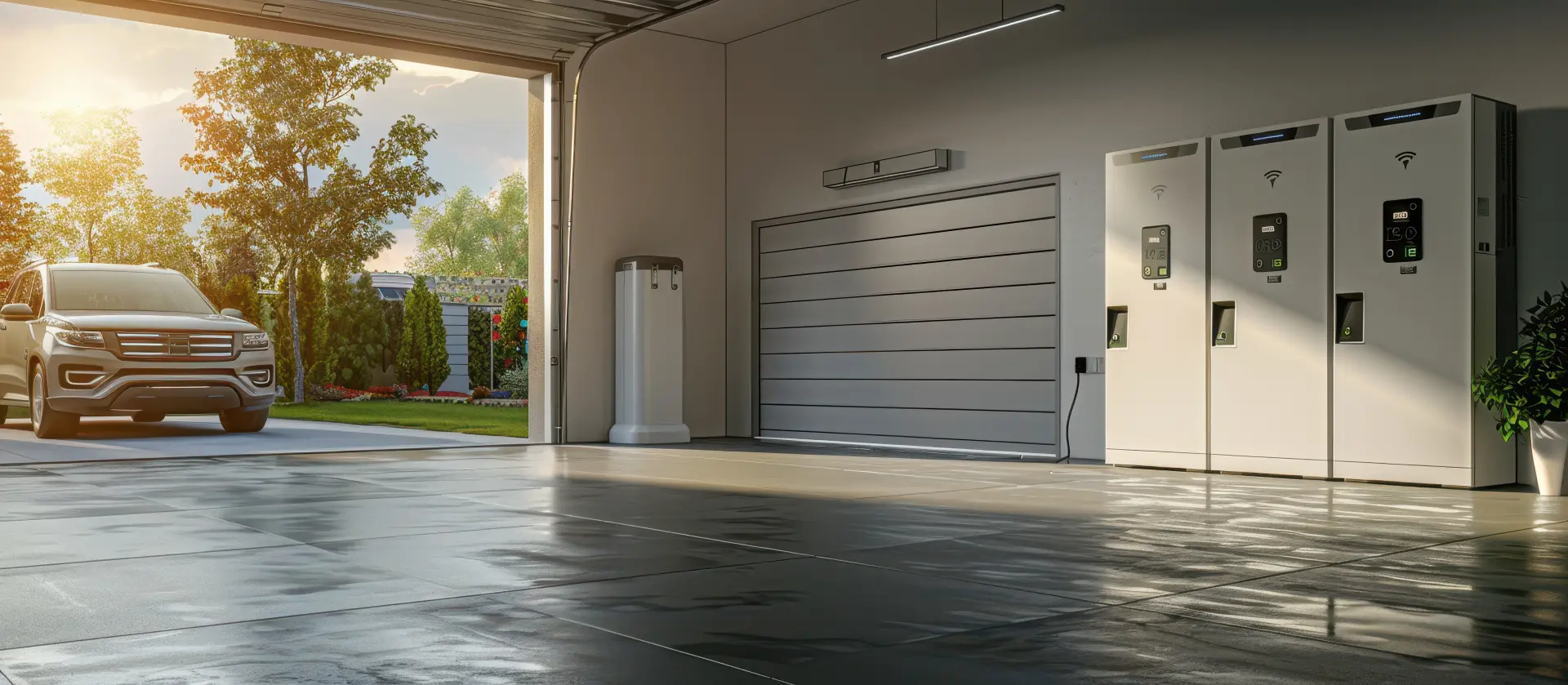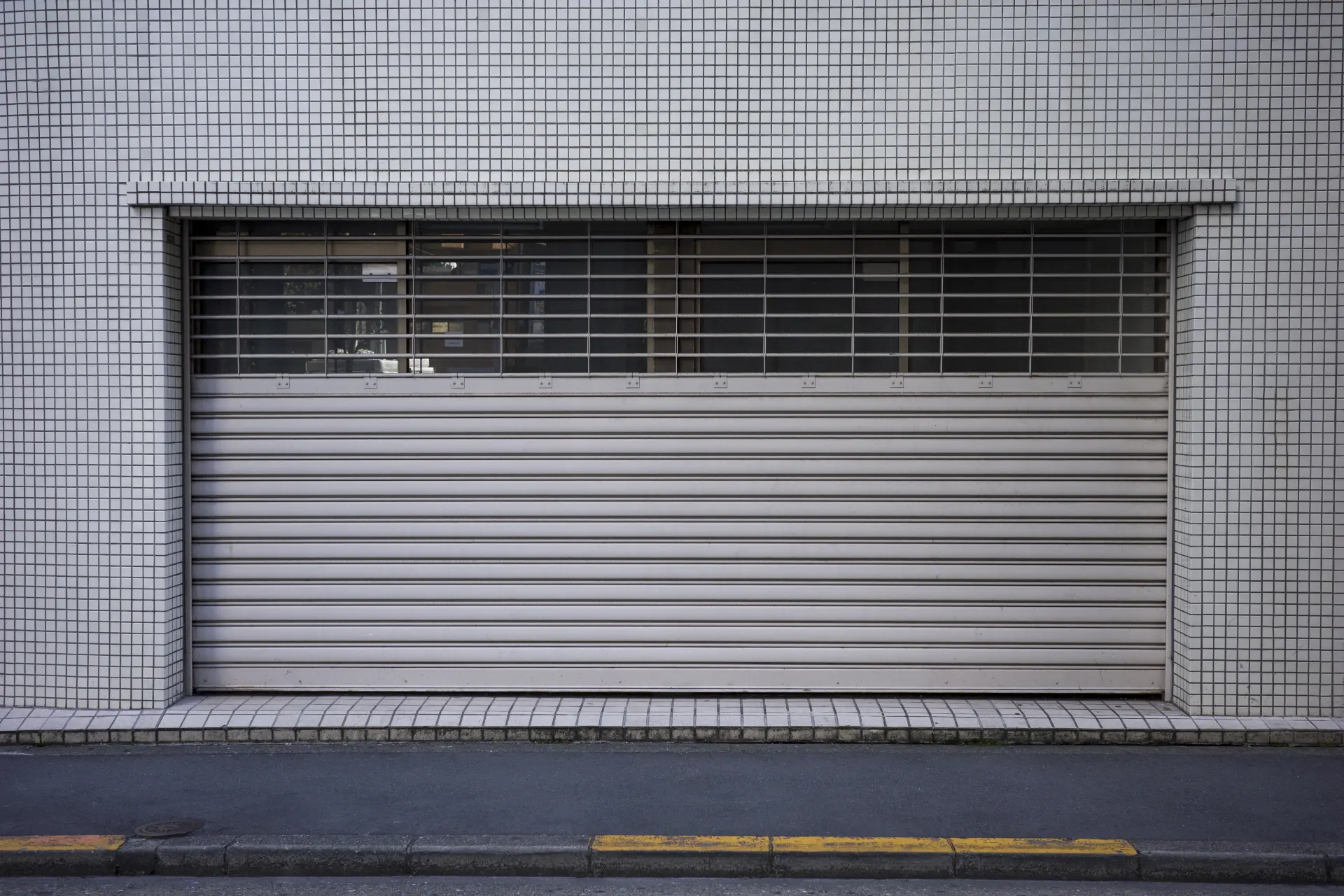
Find out more about improving efficiency with warehouse industrial doors, reducing delays, lowering energy costs, and ensuring safety across UK warehouses.
Common Problems Caused by Outdated Doors
As doors age, they typically move slowly or tend to get stuck, especially during busier periods. When lorries are waiting, or forklifts need to pass through, even with short delays, this can create queues at the yard and inside the building. Your staff may try to save time by rushing, squeezing through tight gaps, or leaving doors open longer than planned, and this can be dangerous.
Plenty of wear and tear over time can also cause gaps to form around the edges of the door or at the bottom. These gaps sometimes let cold air, rain, and dust into the warehouse, and this can impact the packaging, labels, and stored goods. In areas handling food, clean products, or sensitive parts, poor sealing can create hygiene and quality concerns.
Any outdated doors may lack the modern safety features or have older systems that are less reliable. A door that keeps moving when something is in the way increases the chance of injury, especially where people walk near vehicle routes. If the door is loud or shakes during movement, it can also distract staff and make it harder to notice warning signals.
Breakdowns are another issue that many industrial roller doors have. A door that fails without warning can block a loading bay, stop an inbound delivery, or trap a vehicle inside. Emergency call-outs tend to cost more than planned repairs, and the downtime can spread across the shift by pushing work into later time slots.
Older roller doors can also create security weaknesses. Locks may be much easier to force, or the door may not close cleanly every time, leaving small gaps. If keys are shared and there is no record of access, it can be harder to manage who is coming and going.
Choosing the Right Door Type for Your Warehouse
Always start by thinking about how the doorway is used each day, including how many times it opens per shift. A main loading bay with constant traffic may need a door built for frequent use, with parts designed to cope with repeated movement. A side entrance used for occasional deliveries may suit a simpler option that focuses on strong protection.
Space matters as much as the opening size. Some doors lift up and sit under the ceiling, while others roll into a barrel above the doorway. If there are lights, pipes, sprinklers, or low beams, you may need a design that fits around them without forcing costly changes to the building.

You’ll then need to think about the speed and flow through the entrance. Fast-moving doors can limit the amount of waiting and help keep indoor temperatures a lot steadier because the opening is exposed for less time. In areas with mixed traffic, you may also benefit from a separate pedestrian entrance, safety barriers, or marked walkways to reduce contact between people and vehicles.
Also, it’s best to consider the environment around the warehouse. For example, if the entrance faces strong winds or driving rain, the door should seal well and stay stable when it moves. If your site is dusty or near open land, a closer-fitting door can help keep indoor spaces cleaner and reduce cleaning time and filter changes.
Noise and comfort are worth thinking about, too. A smoother door with better sealing can reduce rattling and drafts. This can make the area near the entrance more pleasant for staff, especially where packing stations or goods checking points sit close to the doorway.
Smart Controls, Sensors, and Automation Options
Modern controls can make door use much more consistent and easier to manage. Instead of relying on a key that gets lost or shared, access can be set through codes, fobs, card readers, or staff-only switches. This can improve security and help you keep certain doors for specific teams or times of day.
Sensors can help doors respond at the right moment. A sensor can detect an approaching vehicle and open the door without the driver stopping to press a button, which keeps traffic moving. It can also stop any bumps caused by sudden braking near the doorway and lower the chance of a forklift clipping the frame.
Automation can limit the time a door remains open, supporting both efficiency and building comfort. Timers can be effective for closing the door after a set period, and this helps when staff are busy and forget. In areas where two doors create an air barrier, settings can ensure only one opens at a time to limit drafts and temperature loss.
Clear signals are the best way to improve safety and confidence for drivers and walkers. Warning lights can show when a door is moving, and simple traffic lights can guide drivers on when it is safe to pass. In noisy warehouses, visual signals are helpful because voices and alarms may not be heard clearly.
You can also set rules that match your daily routine. For example, doors can be set to open fully for vehicles but only partly for smaller movements, such as hand trolleys. This reduces open time, helps protect the indoor space, and supports faster movement in busy areas.
Maintenance and Servicing for Reliable Performance
Even a strong door needs regular care to stay reliable. Dirt in tracks, worn rollers, and loose fixings can cause rough movement and early failure. Small issues can also put strain on motors and parts, which can shorten the working life of the door.
A good routine always starts with simplistic daily observations. Make sure your staff look out for slower opening, unusual sounds, or damage to any of the seals and panels. They should also check that controls work properly and that warning lights, if fitted, are visible and functioning.
Planned servicing matters for parts that wear over time, even when the door seems to work fine. Springs, cables, and moving joints can weaken without obvious signs. A service visit can include testing safety features, checking alignment, setting closing pressure, and making sure the door stops and reverses when needed.

Quick repairs help avoid larger problems. Replacing any worn seals or adjusting a track early can avoid major damage to your panels and reduce air leakage. It also helps avoid the cycle of repeated faults that waste time and cause staff to lose trust in the equipment.
Keep clear records of work done and faults found. This helps you spot any negative patterns, such as repeated damage in one location, as this may point to a layout issue or a specific training need. It also helps you plan better. Doing so means that parts can be replaced during quieter periods rather than during urgent stoppages.
Cost Savings Over Time
A modern door can cut wasted time across the working day. When doors open smoothly and quickly, vehicles spend less time waiting, and staff can keep to planned schedules. Over weeks and months, small time savings can add up to a noticeable increase in how much work you can handle.
Better sealing can lower heating costs, especially in colder months. When drafts are reduced, heaters do not need to work as hard to keep areas comfortable near entrances. This also supports goods that are sensitive to moisture or temperature change, which can reduce spoilage and packaging damage.
Doors you can rely on will always be best for reducing repair spending and downtime. Planned care costs less than frequent emergency call-outs, and fewer faults mean fewer delays to loading and unloading. Consistent performance can also protect customer service by limiting the number of missed dispatch times and last-minute changes.
There are savings linked to fewer damages as well. For example, a door with many more safety features and proper, clear controls can lower the chance of collisions with forklifts, pallets, and cages. Less incidents can mean less replacements, less stoppages to get rid of the damage, and a much safer working day for everyone.
Finally, efficiency improvements can support longer-term planning. If traffic flows better at the bays, you may be able to manage peak periods without adding extra doors or extra labour. That kind of steady improvement can make it easier to grow operations without major changes to the site.
SteelFlex Door Company Ltd supplies and installs industrial roller doors for Shrewsbury, Bridgenorth and Telford. We design tight sealing around guides, head and floor, configure controls to reduce open time, and separate temperature zones. Our team also maintains doors so they keep warm air in, cold air out and energy costs lower.