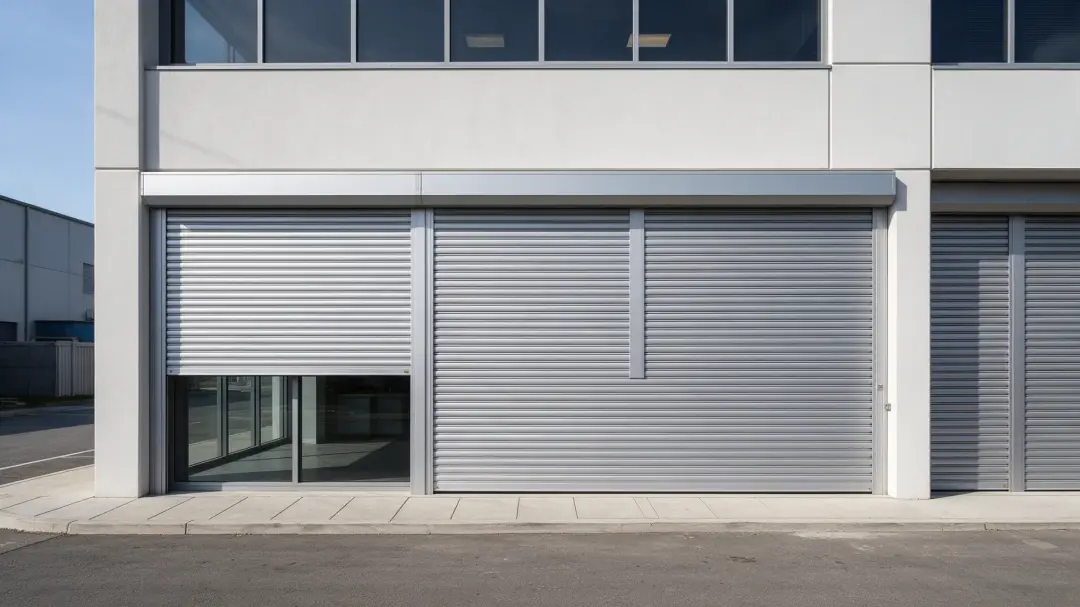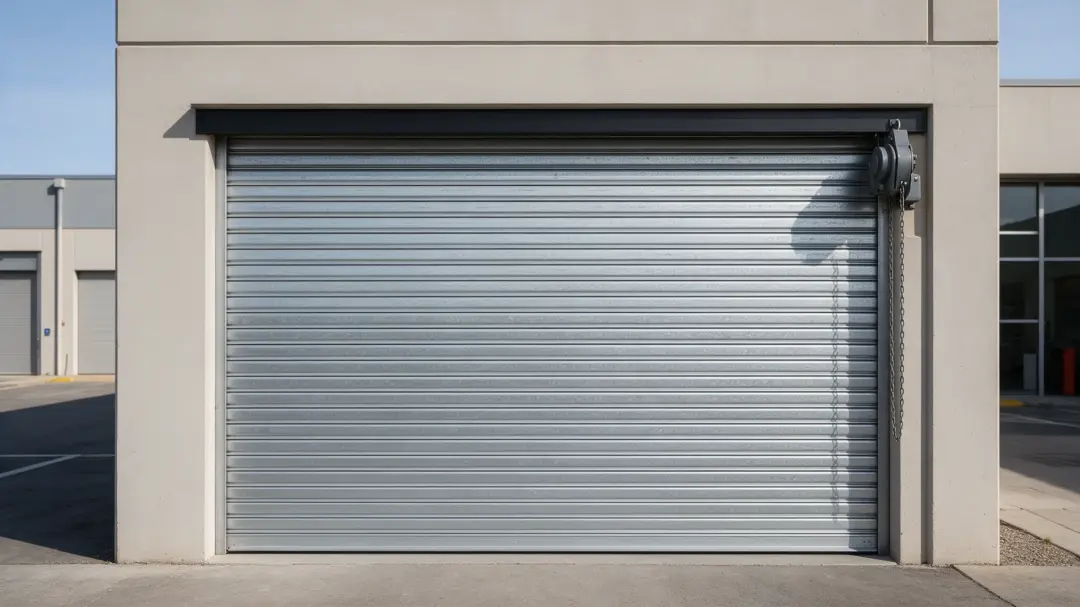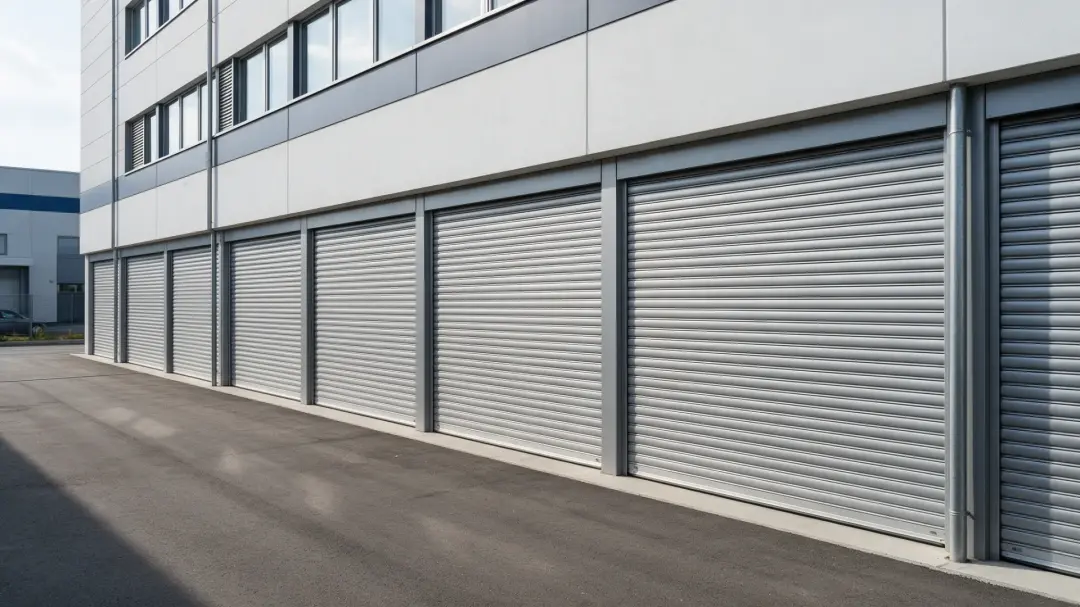
Discover why insulated roller shutters are worth the Investment for your business. Enhance thermal efficiency, reduce energy costs, and improve operational reliability.
Building a realistic investment case
Upgrading to an insulated roller shutter can be worthwhile when an external entrance is a significant weakness in a heated or cooled industrial building. The investment is less convincing when the space is unconditioned, the door stands open for most of the working day or the existing entrance already performs well. A sensible decision compares the additional cost with benefits that your site can reasonably achieve.
The financial question also changes if the old shutter needs replacement anyway. Choosing an insulated model at that point involves a different comparison from removing a serviceable door early. Separate essential replacement expenditure from the premium associated with better thermal performance, controls or other improvements.
Use current energy prices as context
The government's Quarterly Energy Prices for September 2026 reports average non-domestic prices, including the Climate Change Levy, of 24.51p per kWh for electricity and 5.28p per kWh for gas in April to June 2026. These are national averages across users, not a quotation for your supply contract.
Use your actual marginal energy price when valuing a reduction in consumption. Standing charges may remain unchanged, and contract terms can differ considerably from national averages. A credible calculation identifies which fuel provides the building's heat and which parts of its bill would actually decrease.
Decide what the project is replacing
Start with a condition assessment of the present shutter. If major repairs are imminent, compare their cost and remaining useful service with a replacement. If the existing system is safe and reliable, the upgrade must justify its own installation cost rather than benefiting from a replacement that would have happened anyway.
A like-for-like uninsulated quotation provides a useful reference when replacement is already planned. The difference between that quotation and the insulated option is the incremental investment. Keep any added controls, structural work or security changes visible so they are not all attributed to the insulating curtain.
Estimate energy savings from the opening
Obtain the existing and proposed whole-door thermal performance where possible, along with the opening area and likely closed hours during the heating season. Include leakage and opening behaviour in the assessment. If the existing performance is uncertain, use a range rather than a precise-looking single estimate.
A large improvement in a door's thermal rating does not imply the same percentage reduction in the building's energy use. Lighting, machinery and losses through the rest of the envelope remain. Ask an estimator to show how the entrance contribution was separated from those other demands and what assumptions were made about use.
A worked payback example
Suppose the insulated option costs £2,400 more than a replacement that the business already intends to buy. Assume a site-specific assessment estimates that it would save 6,000 kWh of purchased heating energy each year, valued at an illustrative 8p per kWh. The estimated annual saving is £480, giving a simple incremental payback of five years.
These numbers are a hypothetical example, not a product claim or a quotation from SteelFlex Door Company Ltd. They omit finance costs and any difference in maintenance expenditure. If an assessment starts with useful heat rather than purchased energy, the heating system's efficiency must be considered before applying the supply tariff.
Test the result against less favourable assumptions
In that example, a saving of only 3,000 kWh would reduce the annual benefit to £240 and extend simple payback to ten years. This sensitivity matters because actual opening hours, weather and operating routines can differ from a proposal. A decision that relies on the most optimistic scenario deserves closer examination.
Ask for low, central and high cases with clearly stated assumptions. Consider whether the premises may be vacated, the process changed or the heating schedule shortened before the investment pays back. The useful comparison is with the business's expected period of operation, not an unspecified product lifespan.
Allow for the full installed cost
A headline door price may exclude removing the existing assembly, making good the opening, electrical work, access equipment and changes to the threshold. Installation during normal production may also disrupt dispatch. Ensure competing quotations cover the same scope before judging one as better value.
Check whether the proposed dimensions preserve the clear opening required by vehicles and loads. A cheaper arrangement that restricts access can create recurring operational costs. Include commissioning, handover information and the agreed safety measures in the procurement discussion so the entrance is ready for its intended use.
Put maintenance into the ownership calculation
Seals wear, moving parts need appropriate care and a powered entrance remains a piece of operational equipment. Ask what servicing the proposed system requires under your duty pattern and how replacement parts are obtained. Maintenance costs should be considered for both the baseline option and the insulated upgrade.
Avoid assuming a new shutter eliminates future repair expenditure. A more useful comparison examines expected availability, service access and likely failure consequences. If the existing door has caused dispatch interruptions, keep records of the actual costs so any reliability benefit is supported by site evidence.
Account for comfort and stock benefits honestly
Some benefits are difficult to value as energy savings. A more usable receiving area or fewer environmental fluctuations around sensitive materials may still matter to the business. Describe these improvements separately and identify how you would recognise them after installation.
Do not attach an invented cash value to fewer complaints or better productivity. If damaged stock has been a problem, investigate its cause and use documented losses when assessing the potential improvement. A shutter should only receive credit for a benefit that its specification and the surrounding building arrangements can realistically deliver.
Check simpler measures before committing
A damaged bottom seal, poor closing routine or unnecessarily long heating schedule may be the immediate cause of waste. Those issues could warrant correction even if a replacement is planned. Comparing them with a full upgrade helps identify which expenditure delivers the most useful first step.
An inspection may show that the old curtain is sound but the entrance perimeter needs work. Alternatively, the assembly may be unsuitable for its duty or nearing the end of reliable service. The investment decision should follow that evidence instead of assuming every uninsulated door must be replaced immediately.
Agree how the investment will be reviewed
Before work starts, record the door's condition, operating hours, relevant meter readings and any temperature or stock issues. Decide how to compare the result after commissioning, allowing for weather and production changes. This turns an estimate into a decision that the business can revisit with evidence.
The upgrade is most persuasive when the entrance remains closed for meaningful periods, the building is conditioned and the additional installed cost is proportionate to its likely benefit. If the dominant problem is frequent open-door exposure, controls or a different entrance strategy may deserve as much attention as the insulated curtain.
Discuss your entrance requirements
To price the appropriate scope, explore insulated roller shutters rhyl. Give SteelFlex Door Company Ltd the condition of your current entrance, expected duty and heating arrangement, and ask for a quotation that separates the door specification from installation and associated work.