The Shutter Is Slow to Open or Close
A roller shutter that moves more slowly than usual may be showing early signs of wear or strain. Dirt in the guides, poor lubrication, worn bearings or a weakening motor can all reduce movement speed. The shutter may pause, hesitate or take longer to reach the fully open or closed position.
Slow operation can place extra pressure on the motor and other moving parts, especially if the system is used many times each day. Check that the opening is clear and that no objects are blocking the tracks. Do not keep pressing the controls if the shutter appears to struggle. Repeated use may make the fault worse. Manual shutters may also feel heavier when internal parts are worn or out of balance.
Arrange an inspection if the change continues or becomes more noticeable. Early repair can restore normal movement, reduce further damage and help the shutter remain safe and reliable during daily use.
Unusual Noises During Use
Unusual noises can be one of the clearest signs that a roller shutter needs repair. Grinding, scraping, clicking, squealing, rattling or banging may point to worn bearings, loose fixings, damaged slats or dirt trapped in the guides. A motor that sounds louder than normal may be struggling to lift the curtain or may have an internal fault.
Listen carefully from a safe distance and note when the sound appears. It may happen only during opening, closing or near one end of the travel. A noise from one side can suggest poor alignment, while a sound from the top box may involve the motor, axle or internal parts.
Do not place your hands near moving components to locate the source. If the sound is loud, sudden or joined by shaking, stop the shutter and isolate the power where safe. Continuing to use it can increase wear and damage nearby parts.
A repair specialist can inspect the curtain, tracks, motor, bearings and fixings. Early attention may prevent a small fault from turning into a complete breakdown. It can also help the shutter operate more smoothly, quietly and safely, reducing disruption and supporting dependable daily use.
The Shutter Gets Stuck
A shutter that gets stuck may have damaged slats, blocked guides, poor alignment or a motor fault. It may stop halfway, refuse to move from the closed position or become trapped near the top. Even a small object in the tracks can prevent smooth movement and place extra strain on the system.
Do not force the shutter by pulling, pushing or repeatedly pressing the controls. This can bend the curtain, damage the motor or create a risk of sudden movement. Check the area from a safe distance and remove any loose obstruction only after the power has been isolated.
If the shutter remains stuck, keep people and vehicles away from the opening. Manual release systems should only be used by someone who understands the correct procedure. Arrange a professional repair promptly. A technician can identify the cause, release the shutter safely and replace or adjust damaged parts before normal use resumes.
Visible Damage to the Slats
Visible damage to the slats should be repaired before it affects the rest of the shutter. Dents, cracks, bent edges and loose sections can prevent the curtain from rolling evenly. Damaged slats may catch inside the guides, rub against nearby parts or create gaps that reduce security and weather protection.
Inspect the curtain when it is fully closed and still. Look for areas that sit out of line, sections that overlap incorrectly or marks showing repeated contact with the tracks. Small dents can sometimes worsen as the shutter opens and closes, placing stress on connected slats.
Do not attempt to hammer damaged sections back into shape. This may weaken the material, damage the finish or make the alignment worse. Sharp edges can also create a safety risk.
A repair specialist can decide whether individual slats can be replaced or whether a larger curtain section needs attention. Matching parts should be fitted correctly so the shutter rolls smoothly and closes securely.
Prompt repairs can prevent the damage from spreading to the tracks, motor or axle. They also help maintain the appearance, security and reliable operation of the shutter. If several slats are damaged, avoid using the system until it has been checked professionally.
Problems with the Motor
Motor problems can cause an electric roller shutter to move slowly, stop unexpectedly or fail to operate. You may hear the motor humming without movement, notice repeated cut-outs or find that the shutter only works after several attempts. A burning smell or unusual heat is a more serious warning sign.
Faults may involve the motor itself, the power supply, the control unit or another part placing too much strain on the system. Do not keep operating the shutter if the motor sounds weak or overheats.
Check whether the power supply is working, but do not open sealed units or touch exposed wiring. Electrical repairs should only be completed by a trained specialist. Arrange an inspection if the motor behaves differently from normal. Early repair can prevent complete failure, protect other moving parts and restore safe, dependable operation before the shutter becomes stuck or leaves the premises unsecured.
The Shutter Does Not Close Fully
A roller shutter that does not close fully can leave the property less secure and may allow wind, rain, dirt or pests to enter. The bottom rail may stop above the ground, one side may sit higher than the other or the curtain may reverse before reaching the closed position.
Possible causes include blocked guides, damaged slats, poor alignment, incorrect limit settings, worn safety edges or faults with sensors and controls. An object beneath the shutter may also prevent closure. Check the opening from a safe distance and remove loose items only when the system is switched off.
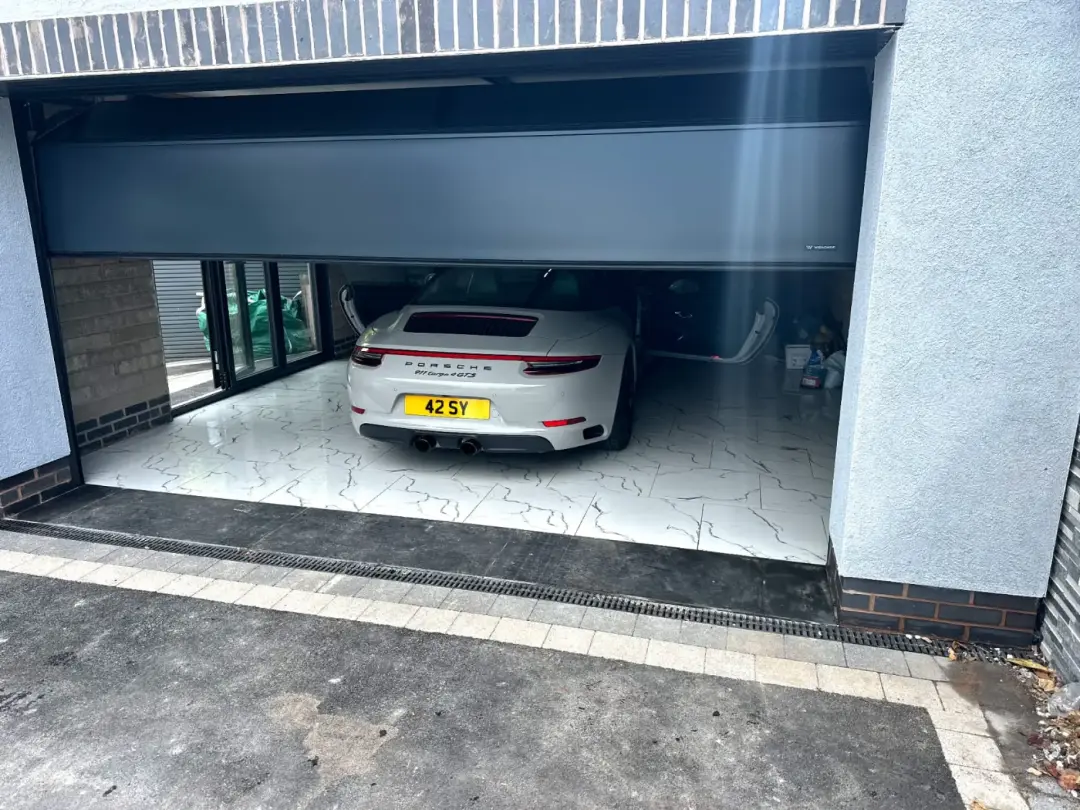
Do not force the curtain down or disable safety devices. These actions can cause further damage and create a trapping risk. Repeated attempts may also strain the motor.
A technician can inspect the tracks, curtain, limits, sensors, bottom rail and control system. The repair may involve cleaning, adjustment or replacement of a faulty part.
Until the problem is fixed, consider how the opening can be secured safely. Prompt attention is important where the shutter protects stock, equipment or access points. A complete repair should allow the shutter to close evenly, meet the floor correctly and lock or secure as designed, helping restore protection and reliable daily use.
Uneven or Jerky Movement
Uneven or jerky movement often means the shutter is no longer travelling smoothly through its guides. One side may rise faster, the curtain may shake or the shutter may move in sudden steps. This can be caused by poor alignment, worn bearings, damaged slats, loose fixings or a problem with the motor.
Watch the shutter from a safe position and stop it if the movement becomes severe. Do not stand beneath the curtain or try to guide it by hand. Continuing to use an uneven shutter can bend the tracks, strain the axle and damage connected parts.
The cause may not be visible from ground level. A repair specialist can check the balance, guides, fixings, curtain and drive system. Adjustments or replacement parts may be needed. Arrange repair early, especially if the shutter leans or catches. Smooth, even movement is important for safety, security and the working life of the full system.
Damage to the Tracks or Guides
Tracks and guides keep the roller shutter curtain aligned as it moves. Dents, bends, loose fixings or corrosion can cause the slats to rub, catch or leave the guide completely. Damage may result from vehicles, equipment, forced entry attempts, weather or repeated pressure from a poorly aligned curtain.
Inspect both sides when the shutter is still. Look for gaps between the guide and wall, bent edges, missing fixings or scrape marks. Dirt can sometimes create similar symptoms, but a damaged track usually needs professional repair or replacement.

Do not try to straighten a guide while the shutter is connected or under tension. A sudden movement could cause injury, and an incorrect adjustment may make the problem worse. Avoid operating the shutter if the curtain appears likely to leave the track.
A specialist can measure the alignment, secure loose sections and replace parts that cannot be safely repaired. They will also check whether another fault caused the damage, such as worn bearings or uneven movement.
Track repairs should not be delayed. Continued use can damage slats, strain the motor and create a risk of the curtain jamming or falling out of position. Correctly aligned guides support smooth movement, safe operation and reliable closure across the full opening.
The Controls Are Not Working Properly
Control problems can prevent the shutter from responding correctly or make its movement unreliable. Wall switches, key switches and remote controls may work only sometimes, need repeated presses or send the shutter in the wrong direction. A button may also stick or fail to stop the system.
Start by checking whether the power supply is available and whether a remote control needs a new battery. Inspect accessible controls for cracks, loose covers or signs of water damage. Do not open electrical units or attempt to repair wiring yourself. If the shutter continues to behave unpredictably, stop using it. Faulty controls may cause sudden movement or prevent the shutter from stopping when needed.
A specialist can test the switches, receiver, control unit, wiring and safety devices. Repairing the fault promptly helps protect users, prevents unnecessary motor strain and restores reliable opening, stopping and closing during normal daily operation.
The Shutter Opens or Closes by Itself
A roller shutter that opens or closes without being operated has a serious control or electrical fault. The cause may involve a damaged switch, faulty remote signal, control unit problem, moisture inside an electrical part or incorrect settings. In some systems, a timer or connected control may also be activating unexpectedly.
Keep people, vehicles and goods away from the opening until the fault has been checked. Sudden movement can create a trapping risk and may damage objects left in the shutter’s path. Isolate the power where this can be done safely and follow the emergency procedure for the premises.

Check whether any authorised timers, access systems or automatic controls are active. Do not remove covers, disconnect wires or bypass safety parts. The fault may be difficult to identify without proper testing.
A repair specialist can inspect the switches, remote controls, receiver, wiring, sensors and main control unit. They can also confirm whether outside signals or connected systems are involved.
Do not return the shutter to normal use until it has been tested. Uncontrolled movement can damage the curtain, motor and surrounding property. Prompt professional repair is needed to restore predictable operation and ensure the shutter only moves when a valid command is given by an authorised user.
Increased Effort When Using a Manual Shutter
A manual roller shutter should move with steady, manageable effort. If it becomes much heavier, harder to lift or difficult to lower, there may be a problem with the springs, bearings, guides or balance of the curtain. Dirt and damaged slats can also increase resistance.
Do not continue forcing the shutter, as this may damage internal parts or cause personal injury. A heavy curtain can move suddenly if a spring or supporting part fails. Keep a firm grip, but stop use if movement feels unsafe or uneven.
Check the tracks for visible debris after securing the shutter and making sure it cannot move. Do not adjust springs or tensioned parts yourself. A repair specialist can inspect the balance, spring system, bearings, slats and guides. Correct repairs should restore smoother movement and reduce physical strain. Prompt attention also helps prevent the shutter from becoming completely stuck or dropping unexpectedly during operation.
Gaps Around the Shutter
Gaps around a closed roller shutter can reduce security, weather protection and energy efficiency. Light may be visible along the sides, beneath the bottom rail or between damaged slats. The curtain may also sit unevenly, leaving one corner higher than the other.
Common causes include bent guides, worn seals, damaged slats, poor alignment, an uneven floor or incorrect closing limits. A shutter that has been struck or forced may develop gaps even when it still opens and closes.

Inspect the shutter from both inside and outside where safe. Check whether the gap changes during operation or remains in one area. Do not push the curtain into place or pack the opening with loose materials, as this may interfere with movement and safety devices.
A repair specialist can adjust alignment, replace worn seals, repair guides and correct the closing position. They can also check whether the frame or floor has moved.
Leaving gaps unresolved may allow water, wind and dirt to enter. It can also make the shutter easier to attack and may place uneven strain on the curtain. A proper repair should allow the shutter to sit squarely, close fully and provide the intended level of protection for the opening throughout regular use.
Signs of Rust or Corrosion
Rust and corrosion can weaken roller shutter parts and affect smooth movement. Early signs include bubbling paint, orange marks, flaking surfaces and stiffness around fixings or guides. External shutters are more exposed, but indoor systems can also corrode in damp or humid conditions.
Check the curtain, bottom rail, tracks, brackets and visible fixings. Small marks should not be ignored because corrosion can spread beneath coatings and make parts harder to repair.
Do not cover rust with paint without treating the cause. Water entry, damaged coatings or poor drainage may need attention first. Severe corrosion around structural or moving parts requires professional inspection. A specialist can remove affected material, repair or replace weakened parts and apply suitable protection. They can also check whether water is entering electrical areas. Early treatment helps maintain appearance, strength and safe movement. It can also reduce the chance of seized parts, broken fixings and more expensive repairs later.
Frequent Power or Electrical Problems
Frequent power or electrical problems can make an electric roller shutter unreliable and unsafe. The shutter may stop partway, trip a circuit breaker, lose power without warning or work only after the supply has been reset. Lights may flicker, controls may fail or the motor may cut out during use.
The fault could involve damaged wiring, a weak connection, water entry, an overloaded motor, a faulty control unit or a problem with the building’s power supply. Repeated tripping should never be ignored because it may indicate overheating or a short circuit.

Check whether other equipment is affected, but do not open control boxes or touch exposed cables. If there is a burning smell, visible damage or unusual heat, isolate the power where safe and keep the shutter out of use.
A qualified specialist can test the motor, controls, wiring, isolator and protective devices. An electrician may also be needed if the fault lies within the building supply.
Record when each problem happens and whether it appears during opening, closing or bad weather. This information can support diagnosis. Prompt repair helps prevent complete failure, protects electrical parts and reduces the risk of unexpected movement or fire. The shutter should only return to service after safe operation has been confirmed.
When to Arrange a Professional Repair
Arrange a professional repair whenever a roller shutter becomes slow, noisy, uneven, damaged or unreliable. Immediate help is needed if the shutter is stuck, moves by itself, has exposed wiring, smells of burning or appears at risk of falling. These faults can threaten safety, security and nearby property.
Stop using the shutter and isolate the power where safe. Keep people, vehicles and goods away from the opening. Do not remove covers, adjust springs or force damaged parts.
Provide the repair specialist with details of the symptoms, when they began and any recent impact, weather or power issue. Mention whether the shutter is open, closed or trapped halfway. A trained specialist can inspect the full system, identify the cause and complete suitable repairs. Early action often limits further damage and downtime. The shutter should be tested after repair to confirm smooth movement, reliable controls, correct closure and safe operation before regular use resumes.
For trusted Dudley roller shutters and roller shutter repairs, choose our family run business. Our business specialises in keeping and installing roller shutters, shutter doors and industrial doors that are secure, durable and in working order. Contact us today to discuss your business needs and receive a competitive quote for tailored repairs.