Discover why regular fire shutter maintenance is essential for fire safety. It ensures system reliability, prevents faults, and keeps your premises protected at all times.
What Is Fire Shutter Maintenance?
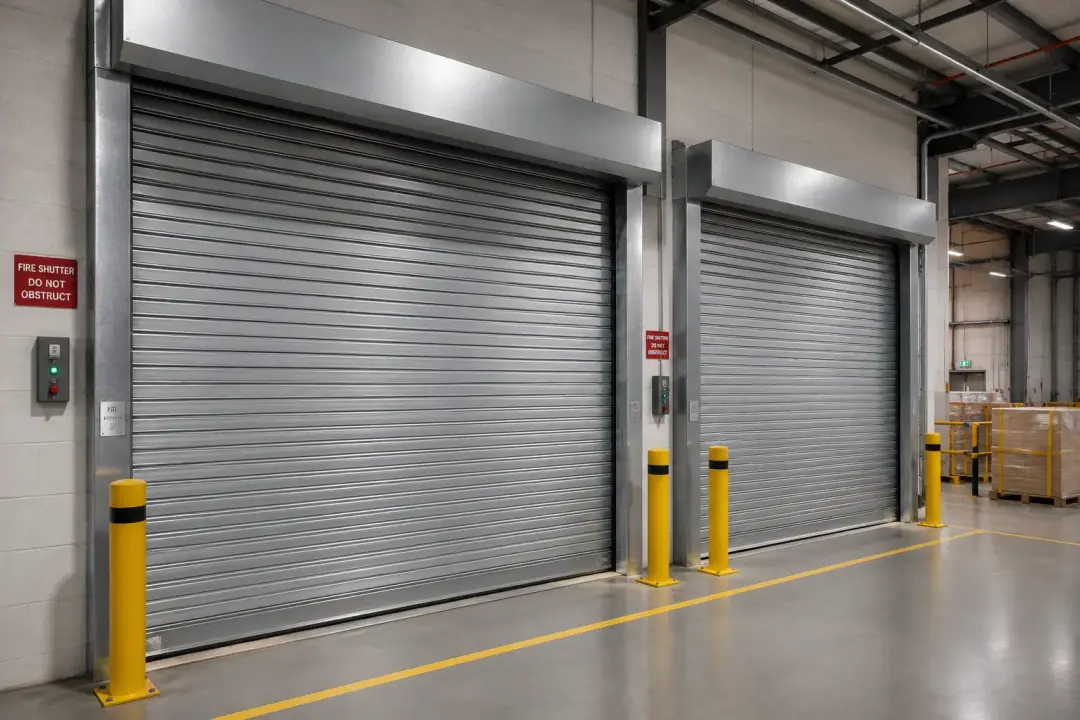
Fire shutter maintenance is the planned inspection, testing, cleaning and servicing of a shutter designed to protect an opening during a fire. It covers the curtain, guides, barrel, motor, controls, fixings, bottom rail and any connection to the fire alarm system. The aim is to confirm that the shutter remains secure, moves freely and closes fully when activated.
Basic checks may be completed by the person responsible for the building, while internal repairs and detailed servicing should be handled by a competent specialist. Maintenance can include removing obstructions, checking visible damage, testing alarm signals and recording any faults found. It is different from repairing a shutter only after it stops working.
Planned attention allows wear, corrosion, loose parts and control faults to be found earlier. A suitable maintenance routine should follow the manufacturer’s instructions, the building’s fire risk assessment and the purpose of the shutter within the wider fire safety plan.
Why Fire Shutters Need Regular Checks
Fire shutters may remain open for long periods and only close during tests or emergencies. This can make faults difficult to notice during normal building use. Dust, grease, packaging, stored goods and building work can obstruct the curtain or guides without affecting daily activities. Parts may also corrode, loosen or wear while the shutter appears unchanged.
Regular checks confirm that the opening remains clear and that no alterations have affected the system. New signs, ceilings, shelving, cables or equipment could block the shutter’s path. Damage from vehicles, trolleys or heavy goods may bend the guides or curtain.
Electrical controls, batteries and alarm connections can also develop faults. A shutter that works from its local switch may still fail to respond to the fire alarm. Testing must therefore consider the complete closing process rather than movement alone.
Checks provide an opportunity to identify unusual noises, slow movement, gaps and poor alignment. These signs may show that the motor or mechanical parts are under strain.
Recording each inspection helps the person responsible for the building track faults and confirm that action was taken. Regular attention cannot prevent every failure, but it greatly improves the chance that the shutter will operate correctly when a fire occurs.
How Maintenance Supports Fire Safety
A fire shutter is intended to protect an opening within a fire-resistant barrier. When it closes correctly, it can help restrict the movement of flames and hot gases between different parts of a building. Maintenance supports this role by keeping the complete system ready to operate.
A damaged curtain, blocked guide or failed control can leave gaps through which fire may spread. A shutter that closes too slowly or stops halfway may not provide the protection expected in the building’s fire strategy.
Regular testing also confirms that the shutter responds to the correct alarm signal. Any warning devices, delays and safety controls should operate in the planned order. Maintenance does not replace fire alarms, escape routes or other precautions. It helps one important part of the wider fire safety system remain effective. Faults should be recorded and repaired promptly so the building does not rely on equipment that may fail during an emergency.
Common Fire Shutter Problems
Common fire shutter problems include damaged slats, bent guides, loose fixings, worn bearings and faults with the motor or release system. Dirt, grease and building debris can collect around moving parts, causing the shutter to slow down, rub or become stuck.
Electrical problems may affect local switches, control panels, batteries, wiring or the connection to the fire alarm. The shutter might operate during a manual test but fail when the building alarm is activated. Warning devices or controlled closing stages may also stop working correctly.
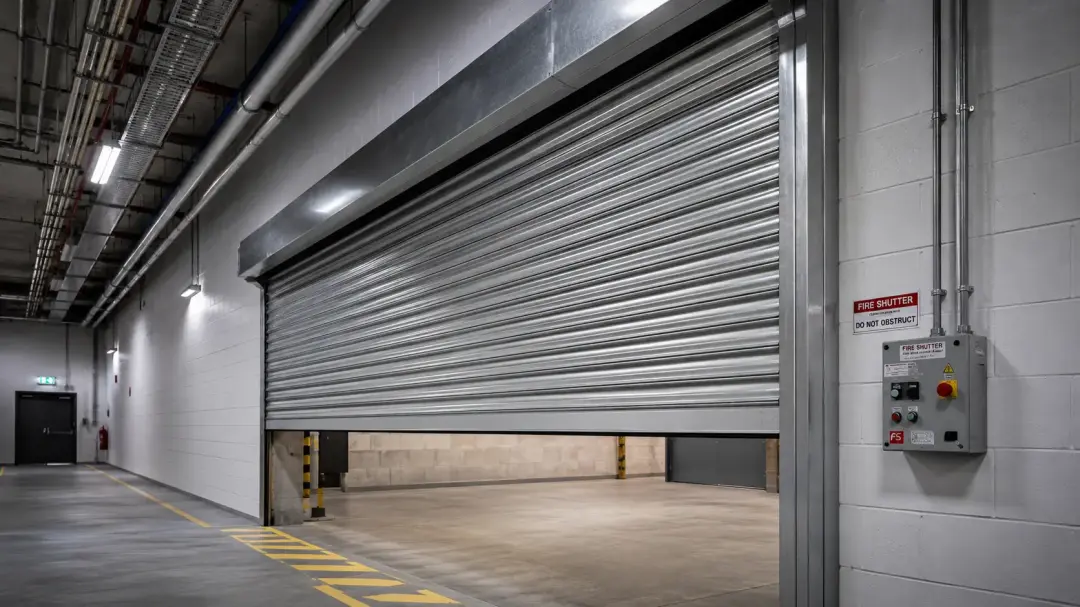
Corrosion is another concern, particularly in damp kitchens, loading areas and external openings. Rust can weaken metal parts and restrict movement. Damage to protective coatings may allow corrosion to spread beneath the surface.
The shutter’s closing area can become obstructed by stock, furniture, signs, cables or equipment. Changes to ceilings and walls may also interfere with the head box or guides.
Some faults develop gradually. New noises, uneven movement, delayed activation and small gaps should therefore be investigated early. A shutter that repeatedly needs resetting may have an underlying control or mechanical problem.
Regular inspection helps separate minor surface issues from defects that could affect fire performance. Repairs should use suitable parts and preserve the system’s approved design and intended operation.
The Risks of Poor Maintenance
Poor maintenance can leave a fire shutter unable to close when it is needed. A blocked, damaged or unreliable shutter may fail to protect an opening, allowing flames, heat and smoke to move into another area more quickly. Mechanical faults may also create risks during normal use. A heavy curtain could move unevenly, become stuck or descend without proper control.
Damaged guides, loose fixings and worn supporting parts can affect the shutter’s stability. Ignored electrical faults may lead to failed alarm activation, overheating or unreliable controls. Repeatedly resetting the system without finding the cause does not provide a safe repair. Poor maintenance can also lead to longer closures and more costly emergency work.
Several parts may become damaged when a smaller fault is left untreated. The person responsible for the premises should ensure that fire safety measures remain effective and in working order. Clear maintenance records help show that inspections, testing and repairs have been managed responsibly.
How Regular Servicing Can Prevent Failures
Regular servicing can find developing problems before they prevent the fire shutter from operating. A specialist can inspect parts that are difficult to assess during routine user checks, including the barrel, bearings, motor, release mechanism, internal fixings and electrical controls.
Loose components can be secured before they damage nearby parts. Worn items may be replaced before they break, while suitable adjustments can correct poor alignment or uneven movement. Cleaning and approved lubrication may reduce friction and unnecessary motor strain.
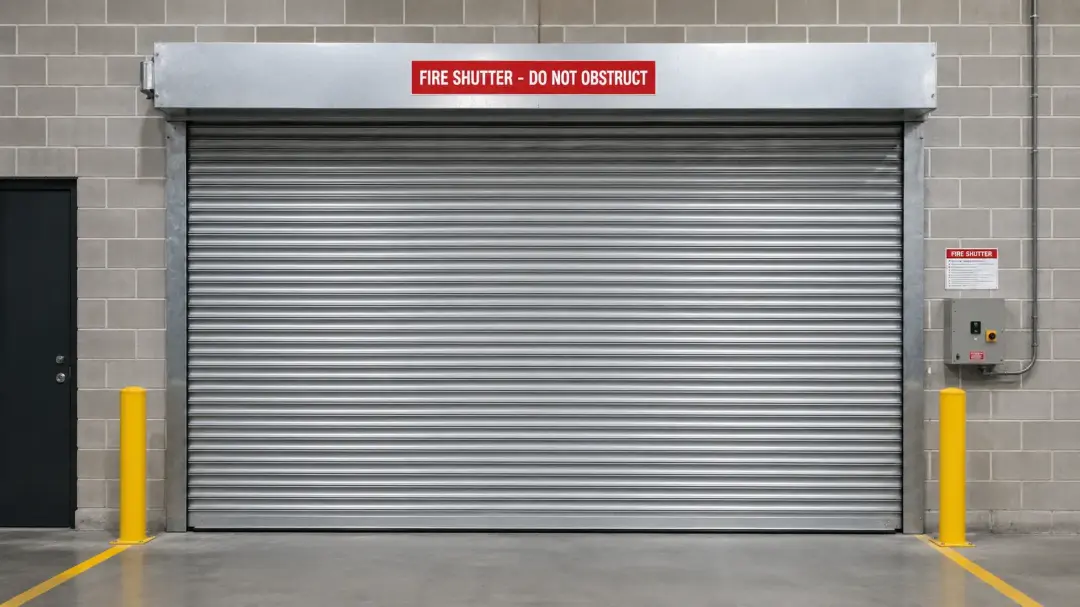
The service should include a controlled operational test. This confirms that the shutter travels through the guides, reaches its intended position and responds to the required signals. Any alarm connection, warning device, delay, backup supply or emergency control should also be tested where fitted.
Repeated faults can be investigated using previous maintenance records. For example, regular motor overloads may be caused by a misaligned curtain rather than the motor alone. Finding the underlying cause reduces the chance of the same failure returning.
Servicing cannot guarantee that every emergency will occur without difficulty. However, it improves reliability by dealing with wear, damage and control faults in a planned way. It also allows repairs to be arranged at a suitable time rather than after an unexpected failure has disrupted the building.
Keeping Fire Shutters Clear and Ready to Use
The complete closing area must remain clear so the fire shutter can descend without striking an obstruction.
Stock, furniture, bins, signs and equipment should never be placed beneath the curtain or inside its guides. Marking the floor can remind staff that the area must not be used for storage. Regular workplace checks should confirm that temporary deliveries or displays have not entered the protected space.
Dust, grease and debris should be removed using methods approved for the shutter. Do not use sharp tools, excess water or unsuitable cleaning products around moving or electrical parts. Building changes must also be considered.
New ceilings, cables, lights or shelves could interfere with the shutter even when the floor remains clear. Staff should report obstructions, damage and poor movement immediately. A clear opening allows the shutter to reach its intended position and helps reduce avoidable strain on the curtain, guides and closing system during both routine tests and emergencies.
The Importance of Testing Controls and Safety Features
Fire shutter testing should cover more than opening and closing the curtain from a local switch. The system must respond correctly to the building’s intended fire signal. This may come from the main alarm panel, local detection equipment or another approved control arrangement.
Testing should confirm that the shutter begins its closing sequence as planned. Any audible warning, visual warning or delay must work in the correct order. If safety sensors are fitted, their response should match the system’s approved design during normal and fire conditions.
Emergency controls and manual release arrangements should also be checked where present. Staff who may need to use them must understand their purpose and should not operate them without suitable instruction.
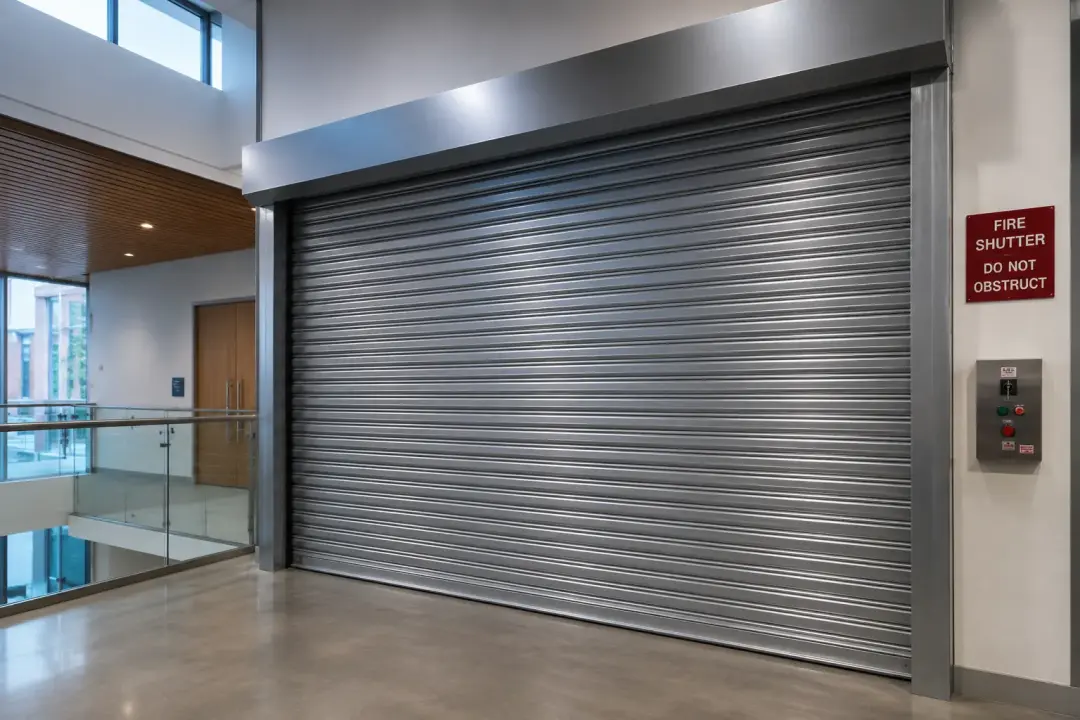
Backup batteries or monitored power supplies need attention because a fire can interrupt the normal electricity supply. A shutter that depends entirely on untested power may not close during an emergency.
Controls should be clearly labelled, accessible to authorised users and protected from accidental damage. Cracked switches, loose covers, warning messages and unreliable responses require prompt investigation.
A competent specialist should complete testing that involves electrical panels, alarm programming or internal safety parts. Results should be recorded, including any failure and the repair completed. Full testing confirms that the shutter, controls and alarm connection operate together as one fire safety system
How Maintenance Can Reduce Repair Costs
Planned maintenance can reduce repair costs by finding wear before it damages several parts. A loose fixing, dirty guide or minor alignment problem may be simple to correct when found early. If ignored, it could damage the curtain, motor or supporting structure. Regular cleaning reduces the strain caused by dirt and debris.
Approved adjustments and lubrication can help moving components operate smoothly and prevent unnecessary wear. Maintenance records also help technicians identify repeated faults more quickly. This can reduce time spent investigating the system and prevent the replacement of parts that are still working correctly.
Planned servicing allows work to be arranged around building use. Emergency call-outs, temporary security and unexpected closures can add considerable cost after a breakdown. The lowest immediate price is not always the best result. Suitable parts and competent repairs are important because poor work may affect fire performance. Regular maintenance supports better budgeting, longer equipment life and fewer disruptive failures while helping the shutter remain ready for its safety role.
Meeting Fire Safety Rules and Building Requirements
Fire safety law places duties on the person responsible for relevant premises to manage risks and maintain fire precautions. Equipment and facilities provided for fire safety must be kept in efficient working order and good repair where the legal requirements apply.
A fire shutter may form part of the building’s fire separation. Its maintenance should therefore be considered within the fire risk assessment and wider fire safety arrangements. The exact duties depend on the premises, its use, location and the role of the shutter.
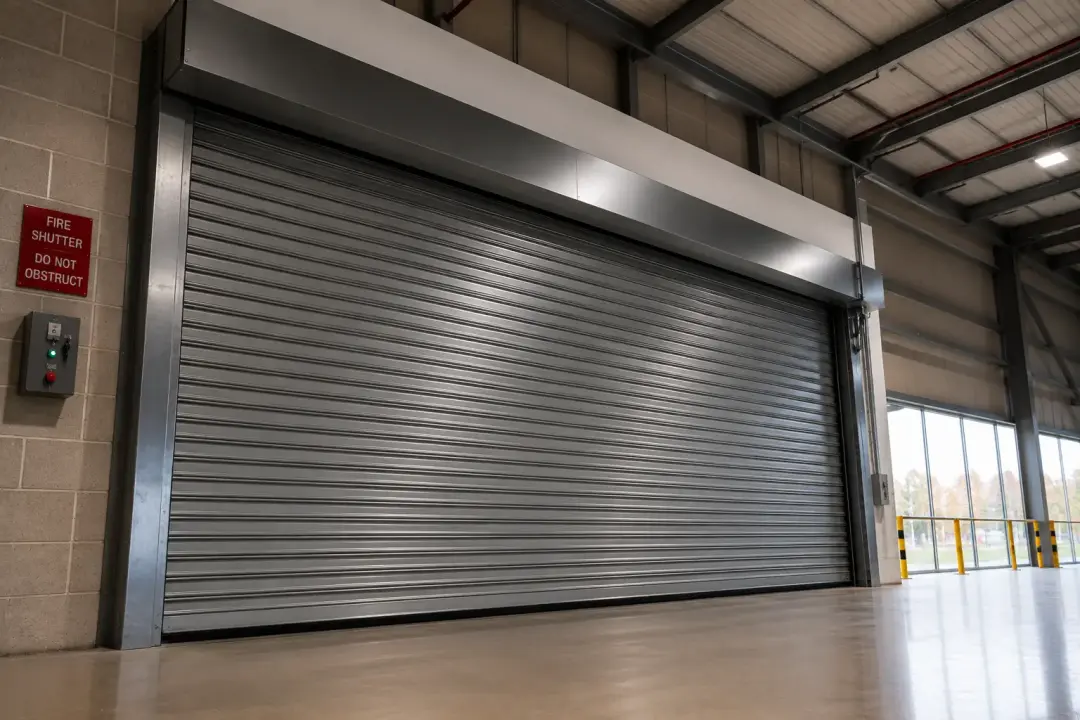
Maintenance records can provide evidence of inspections, testing, reported faults and completed repairs. They should include dates, findings, actions and the details of professional servicing. Missing records can make it difficult to show that the system has been managed properly.
The shutter must also remain consistent with the approved building design. Unauthorised changes to the curtain, controls, alarm connection or supporting structure may affect its expected performance.
Fire safety requirements can differ between buildings and parts of the United Kingdom. The person responsible should use current guidance and seek competent advice when duties are unclear.
Maintenance should never be treated as a simple paperwork task. The main purpose is to confirm that the shutter remains effective. Records support this work, but they cannot replace physical inspection, testing and timely repairs.
How Often Should Fire Shutters Be Serviced?
There is no single service interval that suits every fire shutter. The correct schedule should consider the manufacturer’s instructions, fire risk assessment, system design, building use and local conditions. A shutter in a busy kitchen, warehouse or loading area may require more frequent attention than one in a clean, lightly used space.
Exposure to grease, dust, moisture, impacts or frequent operation can increase wear. Routine visual checks may be needed more often than detailed professional servicing. Some fire service maintenance guidance includes regular checks to confirm that shutters used for fire separation operate correctly. The service schedule should be reviewed after a fault, building alteration or change in use.
It may also need updating when inspection records reveal repeated problems. Do not wait for the shutter to fail before arranging attention. A competent specialist can recommend a suitable schedule for the particular system. Following that plan helps maintain reliability and provides clear dates for future inspections, tests and repairs.
What Happens During a Fire Shutter Service?
A fire shutter service normally begins with a review of the system’s condition, purpose and previous maintenance records. The technician should confirm the shutter type, its controls and how it connects with the building’s fire safety arrangements.
The curtain, bottom rail, guides, housing, brackets and visible fixings are inspected for wear, damage, corrosion and poor alignment. The closing area is checked for obstructions or building changes that could prevent full movement.
Mechanical components may be examined for looseness, friction and signs of strain. Approved parts can be cleaned, adjusted or lubricated where required. Electrical checks may cover the motor, switches, control panel, batteries, wiring and alarm connection.
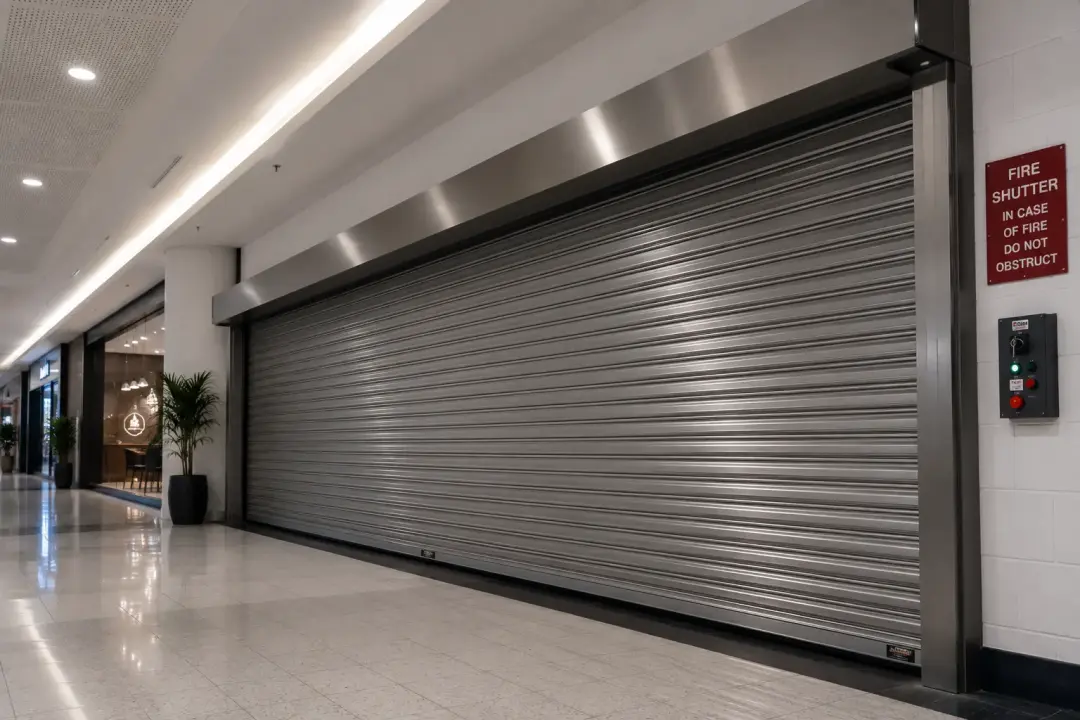
The shutter is then operated through the required closing sequence. The technician checks whether it moves smoothly, gives any planned warning and reaches the correct final position. Emergency controls, backup arrangements and safety features may also be tested.
Any defect should be recorded clearly. Minor work may be completed during the visit, while larger repairs may require parts or a separate appointment. The technician should explain whether the shutter can remain in service.
A service report should show the checks completed, results, repairs and recommendations. This document supports the maintenance record and helps the building manager plan further action.
Signs That a Fire Shutter Needs Attention
A fire shutter needs attention if it moves slowly, stops unexpectedly or fails to close fully. Uneven movement, scraping, grinding and repeated clicking can indicate damaged guides, worn parts or poor alignment. Visible dents, loose slats, corrosion and gaps should also be investigated. Damage may prevent the curtain from rolling or sitting correctly, even when the shutter still appears usable.
Control faults include delayed responses, warning messages, failed alarm activation and repeated resetting. A burning smell, unusual heat or damaged wiring requires urgent professional attention. The shutter’s closing area should be checked whenever new equipment, stock or building work appears nearby. An obstruction can make an otherwise working system ineffective.
Do not ignore faults because the shutter operates after several attempts. Fire safety equipment must work predictably. Record the problem, limit operation where necessary and arrange inspection promptly. Early action can prevent further damage and confirm whether the shutter remains able to perform its intended role.
Why Professional Maintenance Matters
Fire shutters contain heavy moving parts, electrical controls and components that may be under tension. They also form part of a fire safety system. Professional maintenance is important because incorrect adjustments or unsuitable replacement parts can create safety risks and affect fire performance.
A competent specialist should understand the shutter’s design, alarm connection and expected closing sequence. They can inspect internal parts, complete electrical testing and identify whether a visible symptom is caused by a deeper fault.
Professional work should follow the manufacturer’s instructions and preserve the tested arrangement. Changing the motor, curtain, guides or controls without checking suitability may alter how the shutter operates during a fire. Specialists can also provide service reports and repair records. These documents help the person responsible for the building manage defects and demonstrate that professional attention has taken place. Building staff can still complete suitable routine checks, such as keeping the area clear and reporting visible damage.
However, they should not remove covers, alter settings or work on tensioned and electrical parts without proper competence. Choosing professional maintenance is not only about completing a service visit. It gives the building manager clearer information about the system’s condition, required repairs and future schedule. This supports informed decisions and helps keep the shutter safe, reliable and ready to respond.
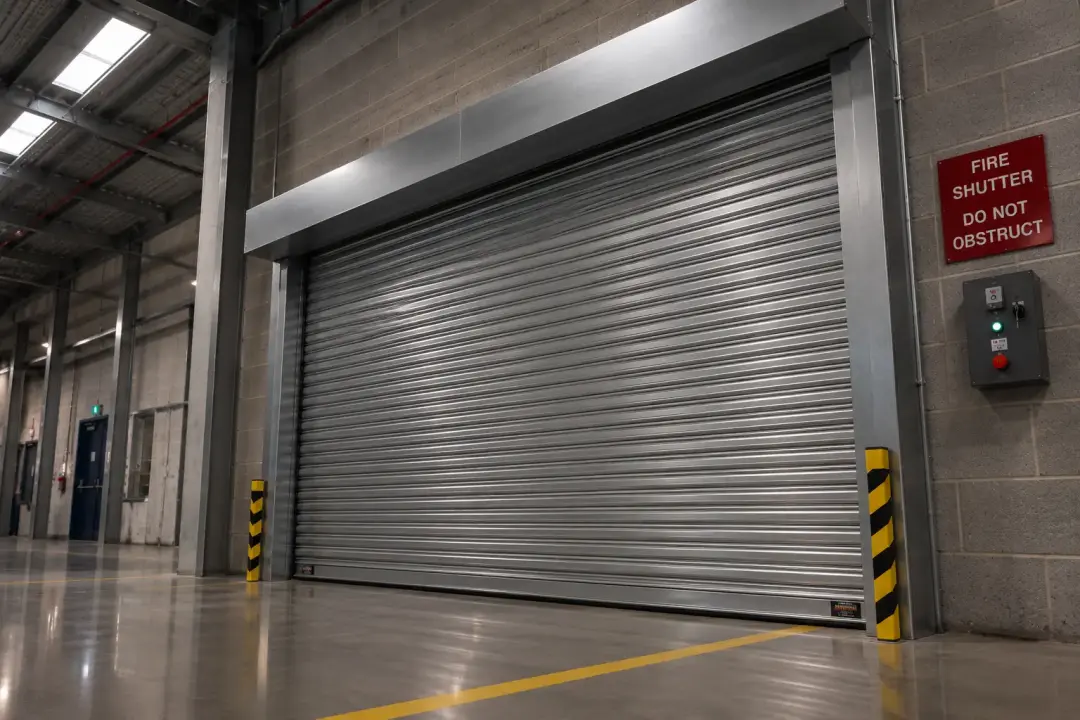
Specialists can also provide service reports and repair records. These documents help the person responsible for the building manage defects and demonstrate that professional attention has taken place.
Building staff can still complete suitable routine checks, such as keeping the area clear and reporting visible damage. However, they should not remove covers, alter settings or work on tensioned and electrical parts without proper competence.
Choosing professional maintenance is not only about completing a service visit. It gives the building manager clearer information about the system’s condition, required repairs and future schedule. This supports informed decisions and helps keep the shutter safe, reliable and ready to respond.
Creating a Fire Shutter Maintenance Plan
A fire shutter maintenance plan should identify every shutter, its location, purpose and responsible person. Include the manufacturer, model, installation details and connection to the building’s alarm system where this information is available. Set dates for routine checks, operational tests and professional servicing. The frequency should follow the risk assessment, manufacturer’s guidance and advice from a competent specialist. Include additional inspections after impacts, building work, alarm changes or reported faults.
List simple tasks for staff, such as keeping the closing area clear, checking for visible damage and reporting warning messages. Clearly state which work must only be completed by a professional. Use a log to record inspection dates, findings, repairs, parts replaced and the person who completed each task.
Unresolved faults should have a named owner and completion date. Review the plan regularly. Changes to the building, its use or the fire strategy may affect the shutter’s maintenance needs. A clear plan turns maintenance into a managed routine and helps prevent checks from being missed.
From survey and made-to-measure design to supply, installation and commissioning, we deliver compliant fire shutters and curtains. Ongoing servicing, safety testing and certification keep assets reliable. Call today for for fire shutters and curtains in Shrewsbury, Bridgenorth and Telford.